Table of Contents
- Clarify the Product Use Case
- Balance Weight, Thickness, and Durability
- Review Surface Finish and Edge Comfort
- Plan Customization and Branding
- Cleaning, Packaging, and Inspection
- RFQ Checklist for Buyers
Titanium cookware and tableware are popular in outdoor, travel, and lightweight kitchen product categories because titanium offers low weight, corrosion resistance, and a clean modern appearance. For buyers, the main challenge is turning those material advantages into a practical product specification.
This guide explains how to evaluate titanium cookware and tableware for sourcing and product development. It focuses on product use, thickness, surface finish, user comfort, packaging, and customization.
Clarify the Product Use Case
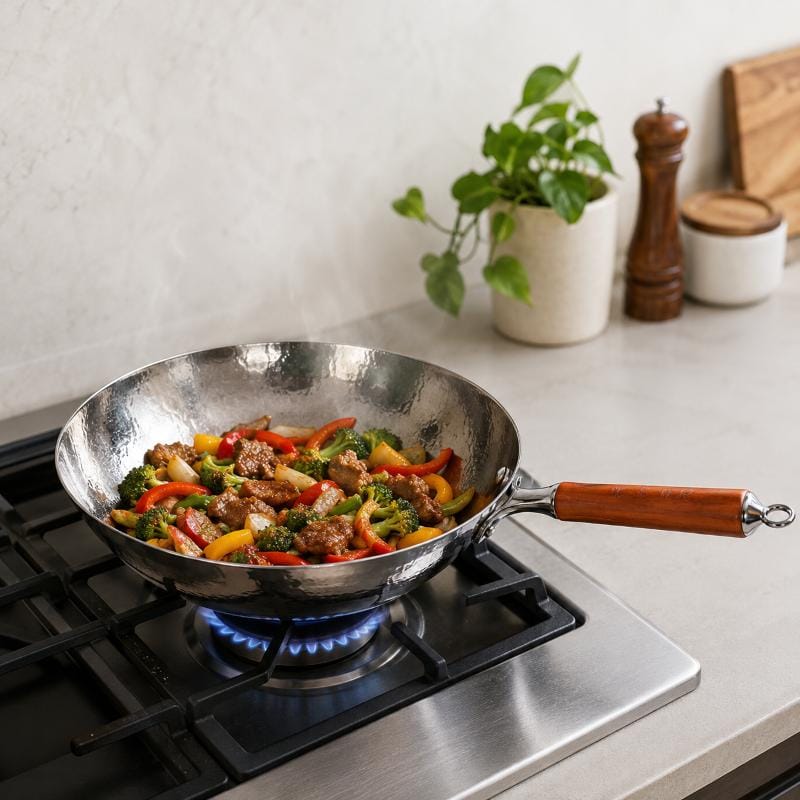
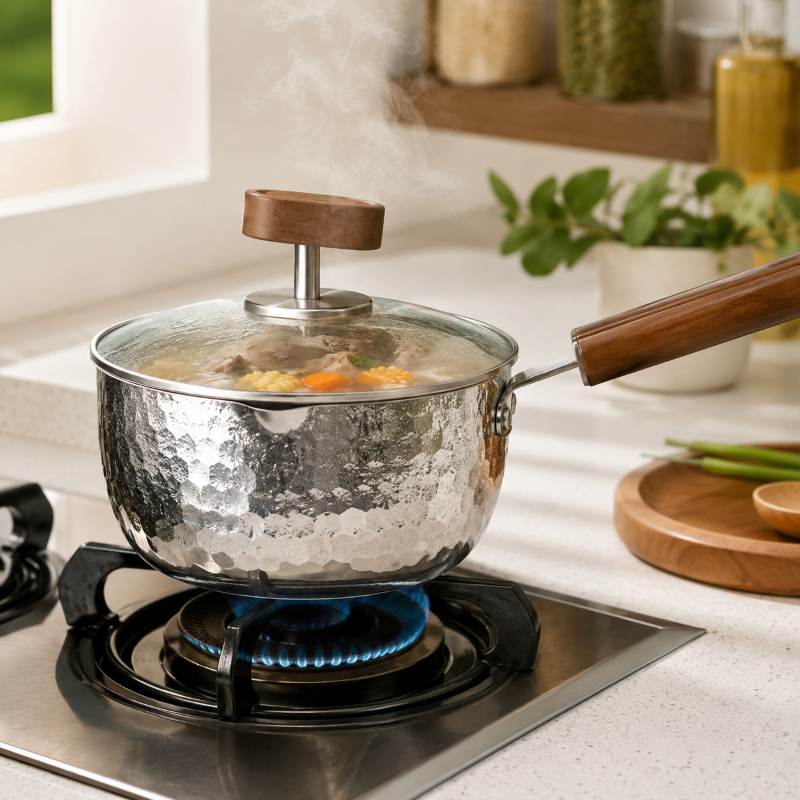
A camping pot, kitchen pan, tableware set, straw, cutting board, and travel cup each need different design priorities. Titanium cookware for outdoor use often emphasizes low weight and packing efficiency, while kitchen products may focus on handling and appearance.
Buyers should define whether the product is for travel, daily home use, restaurant presentation, or brand customization. Titanium cookware performs best when design follows real user behavior.
Balance Weight, Thickness, and Durability
Low weight is a major selling point, but thickness still matters. Very thin products may feel light but can deform more easily. Heavier designs may feel stronger but lose some of the lightweight advantage.
A practical titanium cookware specification should balance product size, wall thickness, forming method, and expected handling. Samples are useful for confirming feel before larger production.
| Selection Point | What to Specify | Why It Matters |
|---|---|---|
| Product use | Outdoor, kitchen, travel, or table service | Guides thickness, shape, and finish |
| User handling | Weight, edge comfort, handle design | Affects daily usability and perceived quality |
| Surface finish | Brushed, polished, sandblasted, or custom | Influences cleaning, appearance, and branding |
| Customization | Size, logo, packing, set structure | Supports private-label or project-based orders |
Review Surface Finish and Edge Comfort
Surface finish affects cleaning, appearance, and user perception. Brushed, polished, sandblasted, or custom finishes can all be suitable depending on the product style. Edges should be smooth where users touch, pour, or clean the product.
For tableware and drinkware, comfort details are important. Titanium cookware and tableware should not only look good in photos; it should feel practical during repeated use.
Plan Customization and Branding
Many buyers need custom sizes, logos, packaging, or product sets. These details should be discussed before tooling or sampling. Logo placement, surface texture, and packaging method can change the production route.
A titanium cookware project for a brand should have clear drawings, product photos, color or finish references, and packing requirements. This helps the supplier provide a realistic sample plan.
Cleaning, Packaging, and Inspection
Inspection can include size, weight, surface finish, edge condition, logo position, and packaging review. The buyer should define acceptable visual standards before production, especially for consumer-facing items.
Packaging should prevent scratches and deformation during shipping. Separators, sleeves, or individual wrapping may be needed for polished titanium cookware or tableware sets.
RFQ Checklist for Buyers
A useful RFQ includes product type, titanium grade if specified, dimensions, thickness, finish, logo requirement, quantity, packaging, sample expectations, and target use. If the product is part of a set, list every item clearly.
Detailed requirements help suppliers quote titanium cookware more accurately and reduce sample revisions. The result is a product that better fits the intended market and user experience.
Related product references: review Custom Titanium Tableware and Titanium Pot for product details that match this topic.
For quotation accuracy, include drawings, grade, size, tolerance, surface finish, quantity, and application notes when discussing titanium cookware with the supplier.
A practical titanium cookware specification should connect material choice with the working environment, assembly method, inspection documents, and packaging expectations.