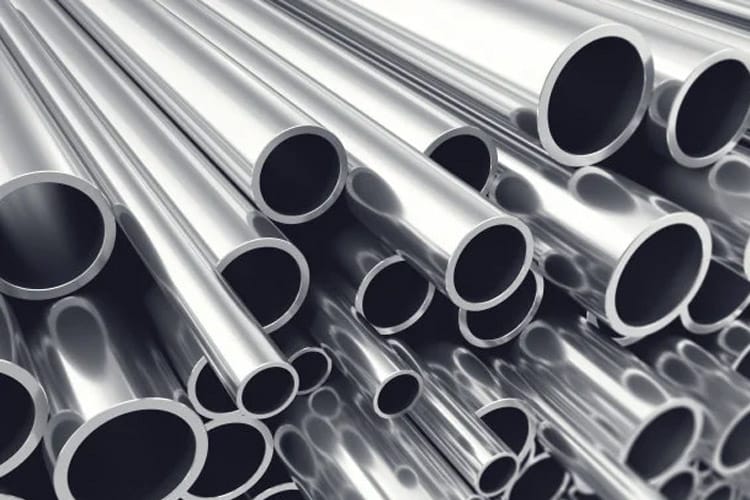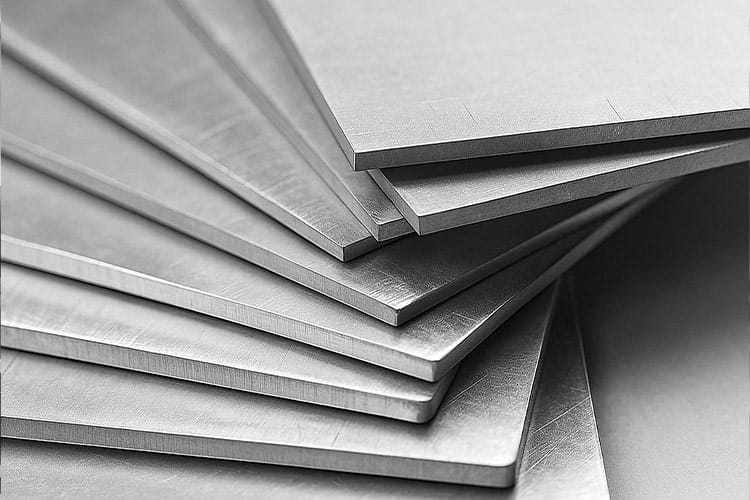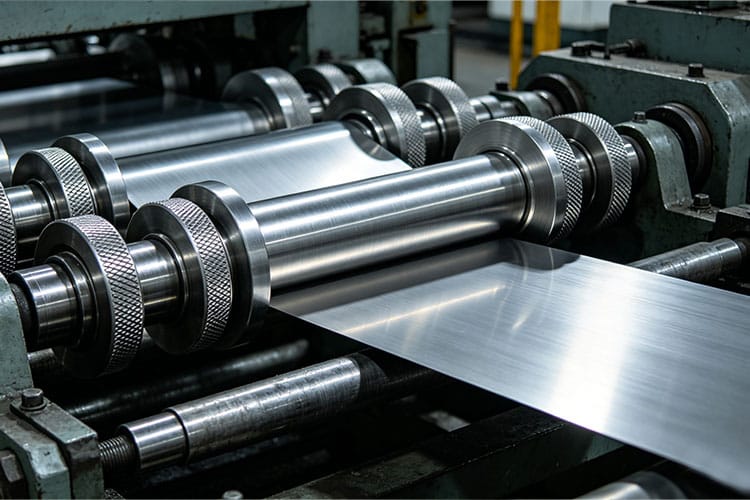
From a scientific exploration and development perspective, modern industry requires structural materials with high strength, fracture toughness, and stiffness, while minimizing weight. Therefore, lightweight high-strength alloys such as titanium and aluminum, as well as load-bearing and heat-resistant alloys such as Ni-based high-temperature alloys, have become the focus of new materials research and development programs in various countries. Furthermore, these materials are also important application materials in laser additive manufacturing.
Advantages and differences between titanium and aluminum alloys:
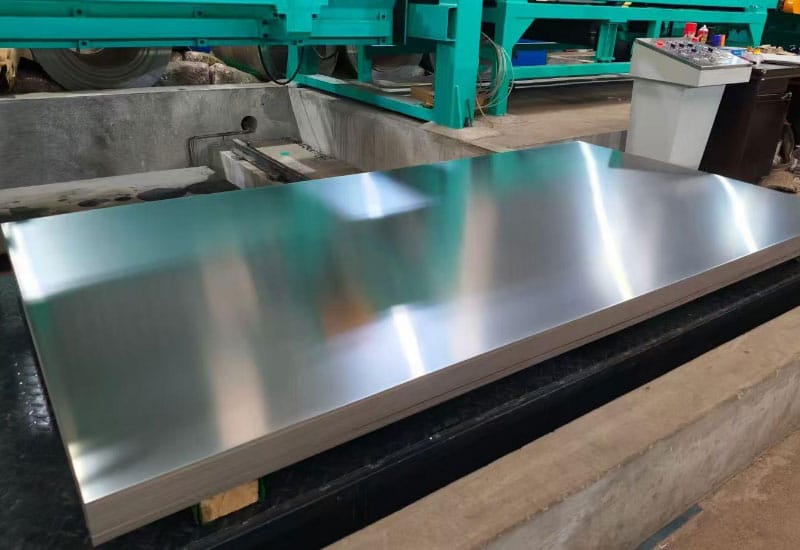
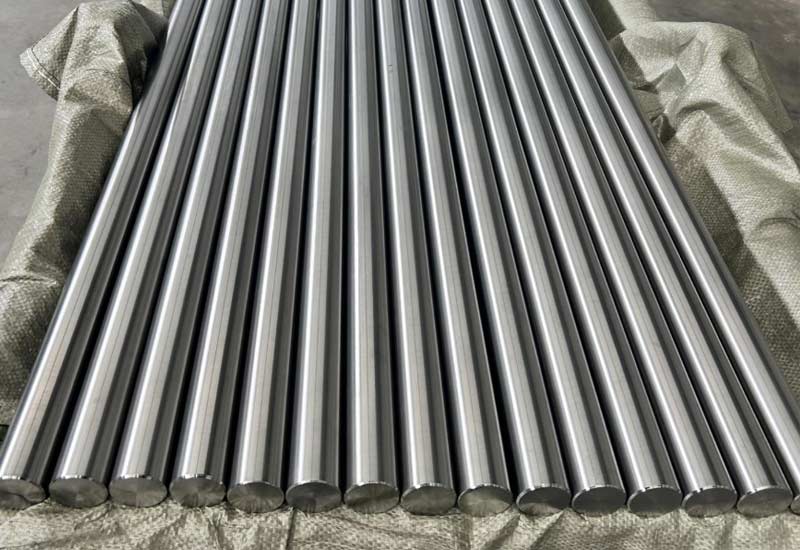
Titanium and aluminum alloys are widely used in aerospace, automotive, and machinery manufacturing fields due to their excellent low density and structural strength. They play a particularly important role in the aerospace industry, serving as its primary structural materials. Although titanium alloys are about two-thirds heavier than aluminum alloys, their inherent strength means that less material can be used to achieve the required strength. Titanium alloys, due to their strength and low density, are important materials for reducing fuel costs and are widely used in aircraft jet engines and various spacecraft. Aluminum alloys are currently the most widely used and common lightweight material in automobiles, with a density only one-third that of steel. Studies have shown that aluminum alloys can be used in up to 540 kg of a vehicle, resulting in a 40% weight reduction. The all-aluminum body used in vehicles from brands like Audi and Toyota is a good example.
Since both materials possess high strength and low density, other factors must be considered when selecting an alloy.
In critical applications requiring high strength and low weight, every gram matters. However, for components requiring even higher strength, titanium is the best choice. Therefore, titanium alloys are used to manufacture medical devices/implants, complex satellite components, fixation devices, and stents.
In terms of cost, aluminum is the most cost-effective metal for machining or 3D printing; while titanium is more expensive, the fuel savings from lightweight parts in aircraft or spacecraft are significant, and titanium alloy parts have a longer lifespan.
Regarding thermal properties, aluminum alloys have high thermal conductivity and are often used to manufacture heat sinks; for high-temperature applications, titanium’s high melting point makes it more suitable, and aero-engines contain a large number of titanium alloy components.
Titanium’s corrosion resistance and low reactivity make it one of the most biocompatible metals, widely used in medical applications (such as surgical instruments). Ti64 also resists saline environments well and is frequently used in marine applications.
In the aerospace field, both aluminum and titanium alloys are widely used. Titanium alloys possess the advantages of high strength and low density (only about 57% of steel), with a specific strength (strength/density) far exceeding that of other metallic structural materials, allowing for the production of parts with high unit strength, good rigidity, and light weight. Engine components, frames, skins, fasteners, and landing gear in aircraft all utilize titanium alloys. Furthermore, research on 3D printing technology reveals that aluminum alloys are suitable for operation in environments below 200?. The Airbus A380 fuselage uses aluminum for more than one-third of its structure, and the C919 also extensively uses conventional high-performance aluminum alloys. Aircraft skins, bulkheads, and wing ribs all utilize aluminum alloys.
Titanium alloys, due to their high melting point and difficult-to-machine properties, have become one of the most expensive metallic materials. However, the lightweight, high strength, and high-temperature resistance of Ti6Al4V titanium alloy have made it highly sought after in the aerospace field. Its applications include blades, disks, and casings for engine fans and compressors operating in the low-temperature range, with an operating temperature range of 400-500?. In addition, it is used to manufacture fuselage and spacecraft components, rocket engine housings, and helicopter rotor hubs. However, due to its poor electrical conductivity, titanium is not an ideal choice for electrical applications. Although titanium alloys are relatively expensive, their high-temperature resistance and corrosion resistance are irreplaceable by other lightweight metals.
Aluminum-based alloys possess excellent physical and mechanical properties such as low density, high specific strength, strong corrosion resistance, and good formability, making them widely used in industry. However, from the perspective of additive manufacturing processes, aluminum alloys have a relatively low density and relatively poor powder flowability, resulting in poor uniformity in powder bed laying during SLM (Single-Layer Laser Manufacturing) or poor continuity of powder transport during LMD (Laser Additive Manufacturing). Therefore, high precision and accuracy are required for the powder laying/feeding system in laser additive manufacturing equipment.
Currently, the aluminum alloys used in additive manufacturing are mainly Al-Si alloys, among which AlSi10Mg and AlSi12, with their good flowability, have been extensively studied. However, because Al-Si alloys are cast aluminum alloys, even with optimized laser additive manufacturing processes, their tensile strength remains difficult to exceed 400 MPa, limiting their use in load-bearing components with higher performance requirements in aerospace and other fields.
Modern aerospace components face a series of stringent requirements, including lightweight, high performance, high reliability, and low cost. The design and manufacturing of such complex structures are extremely challenging. By innovating and developing laser additive manufacturing technologies for typical aluminum, titanium, and nickel-based aerospace components, we can not only achieve lightweight and high-performance material selection but also reflect the trend towards precision and net-shape manufacturing in additive manufacturing technology. By realizing integrated additive manufacturing of materials, structure, and performance, we can apply additive manufacturing technology to major engineering projects in the aerospace field.