As high-performance metal materials continue to gain wider application in aerospace, chemical processing, marine engineering, medical equipment, and high-end manufacturing industries, the demand for titanium and titanium alloy tubes, bars, and profiles has increased significantly.
During the production process of titanium materials, deformation and bending often occur after hot rolling, forging, heat treatment, or transportation. To ensure dimensional accuracy and product quality, roller straightening technology has become an essential process in titanium material manufacturing.
What Is Roller Straightening Technology?
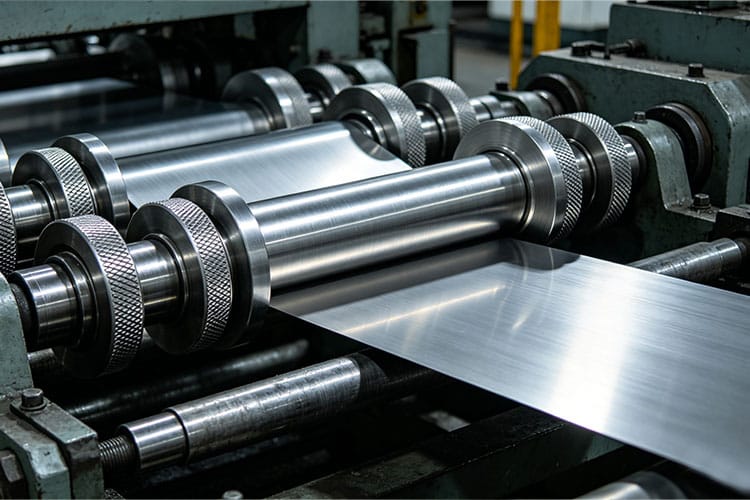
Roller straightening technology is a metal processing method that uses multiple straightening rollers to continuously apply pressure and reverse bending to titanium materials, eliminating residual stress and correcting deformation.
The process is widely used for:
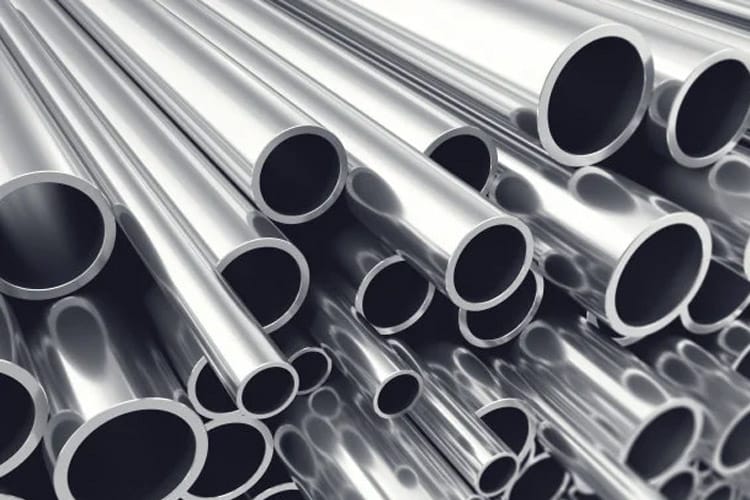
- Titanium tubes
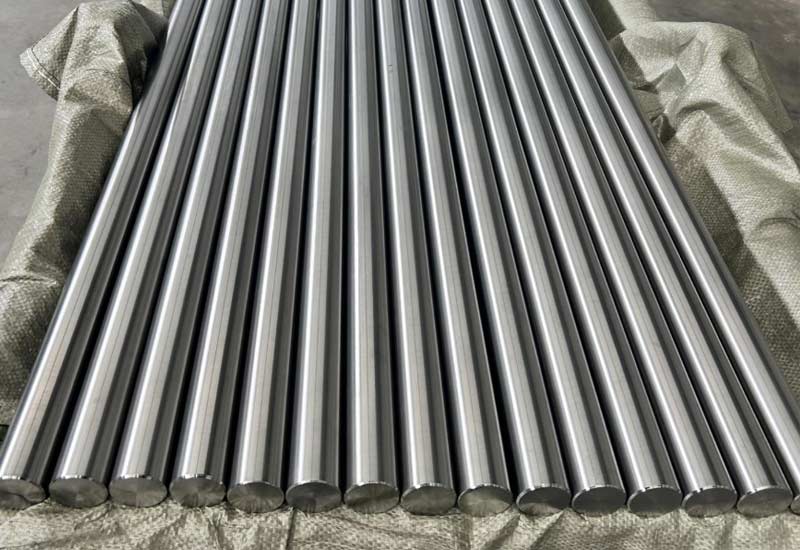
- Titanium bars
- Titanium alloy rods
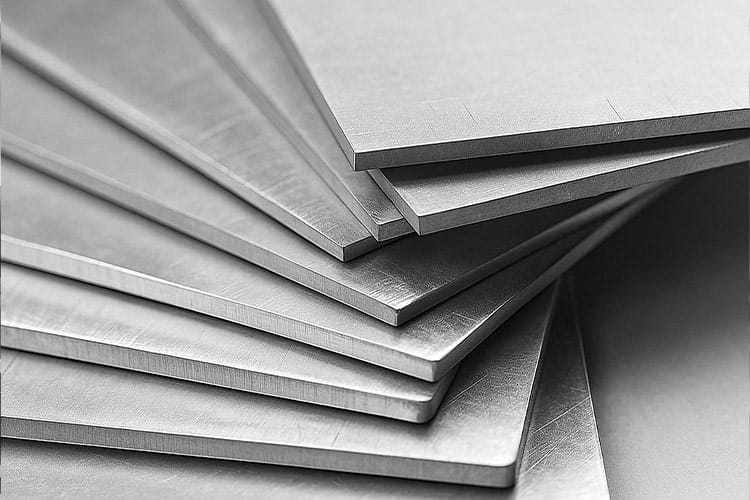
- Titanium plates
- Aerospace structural components
Compared with traditional manual straightening methods, roller straightening offers higher efficiency, greater precision, and more stable product quality.
Characteristics of Titanium Alloy Straightening
Titanium and titanium alloys possess unique physical and mechanical properties, which make the straightening process more challenging than ordinary steel materials.
1. High Strength and High Elastic Recovery
Titanium alloys have high strength and low elastic modulus. During straightening, the material tends to rebound significantly after deformation, making precision control more difficult.
Therefore, roller straightening equipment for titanium alloys requires:
- Higher straightening accuracy
- Stable pressure control
- Advanced servo adjustment systems
- Precise roller alignment
2. Surface Protection Requirements
Titanium materials are highly sensitive to surface damage. Improper straightening may cause scratches, indentation, or surface contamination, affecting the final product quality.
To avoid damage, manufacturers usually adopt:
- Polished straightening rollers
- Special protective coatings
- Controlled roller pressure
- Non-contaminating processing environments
This is especially important for aerospace-grade titanium products.
3. Strict Dimensional Accuracy
Industries such as aerospace, medical, and petrochemical engineering require extremely high straightness tolerance for titanium components.
Modern titanium straightening technology can effectively improve:
- Straightness precision
- Surface quality
- Dimensional consistency
- Mechanical stability
As a result, the final products can better meet international industrial standards.
Advantages of Roller Straightening Technology
Improved Production Efficiency
Automatic roller straightening machines significantly increase production speed compared with traditional manual correction methods, reducing labor intensity and improving manufacturing efficiency.
Higher Product Quality
Advanced straightening systems ensure uniform force distribution during processing, minimizing deformation defects and improving overall product consistency.
Reduced Material Waste
Precise straightening control helps reduce cracking, surface damage, and processing errors, effectively lowering raw material waste and production costs.
Suitable for Large-Scale Manufacturing
Roller straightening technology is ideal for continuous industrial production and can process titanium tubes and bars in large quantities while maintaining stable quality.
Applications of Titanium Alloy Straightening Technology
Titanium alloy roller straightening technology is widely used in the production of:
- Aerospace titanium tubes
- Medical titanium rods
- Heat exchanger tubes
- Chemical processing pipelines
- Marine engineering components
- High-strength industrial titanium materials
With the rapid growth of high-end manufacturing industries worldwide, the market demand for precision titanium processing technology continues to rise.
Future Development Trends
As titanium materials become increasingly important in advanced industries, roller straightening technology is also evolving toward:
- Higher precision
- Intelligent automation
- CNC-controlled adjustment systems
- Energy-efficient production
- Fully automated processing lines
Future titanium straightening equipment will further improve processing efficiency, product accuracy, and manufacturing stability, providing stronger support for high-end titanium alloy applications worldwide.