Table of Contents
- Start with the Application Environment
- Choose Plate or Sheet by Thickness and Processing Route
- Select the Grade and Standard
- Define Tolerance, Flatness, and Surface Requirements
- Plan Inspection and Documentation
- What to Include in the RFQ
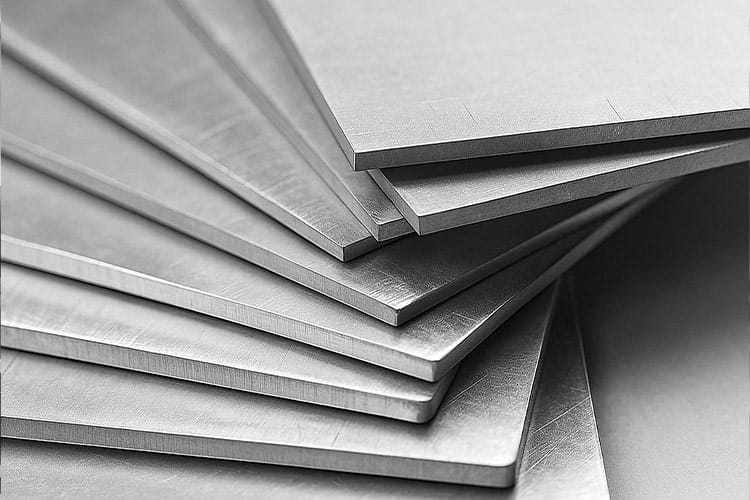
Titanium plates and sheets are common starting materials for chemical equipment, marine structures, heat exchange components, medical-related blanks, and precision industrial parts. Buyers often know they need titanium, but the real challenge is describing grade, thickness, tolerance, surface, and inspection requirements clearly enough for production.
This guide explains how to specify titanium plates and sheets for industrial projects. It focuses on search intent from engineers and purchasing teams who need practical purchasing guidance rather than a generic material introduction.
Start with the Application Environment
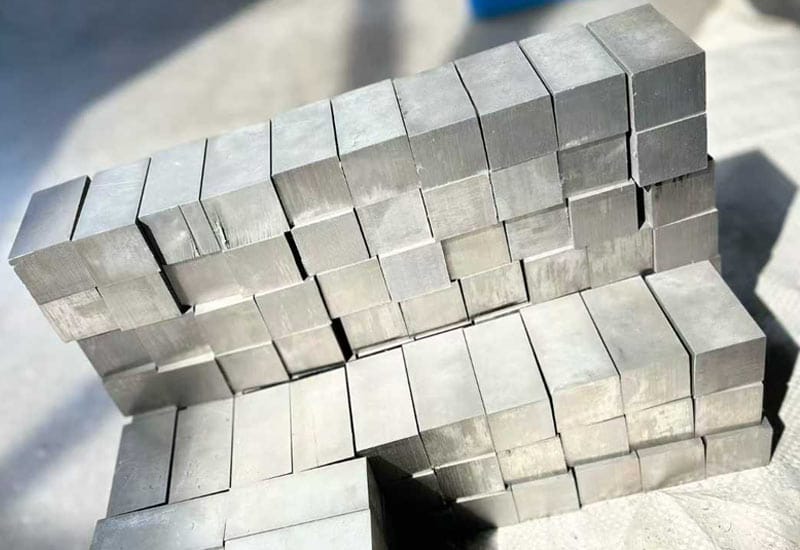
The application environment should guide the first specification choices. Titanium plates and sheets used in seawater service, chemical tanks, equipment covers, or machined fixtures may require different grades and surface conditions even when the size looks similar on a drawing.
Describe corrosive media, temperature, cleaning method, contact materials, and load. Titanium plates and sheets perform best when material selection is linked to real service conditions instead of being chosen only by thickness.
Choose Plate or Sheet by Thickness and Processing Route
The difference between plate and sheet is practical for purchasing because it affects handling, cutting, flatness, and forming. Thin sheet may be selected for formed covers or light structures, while thicker plate may be used for machined blanks and stronger structural parts.
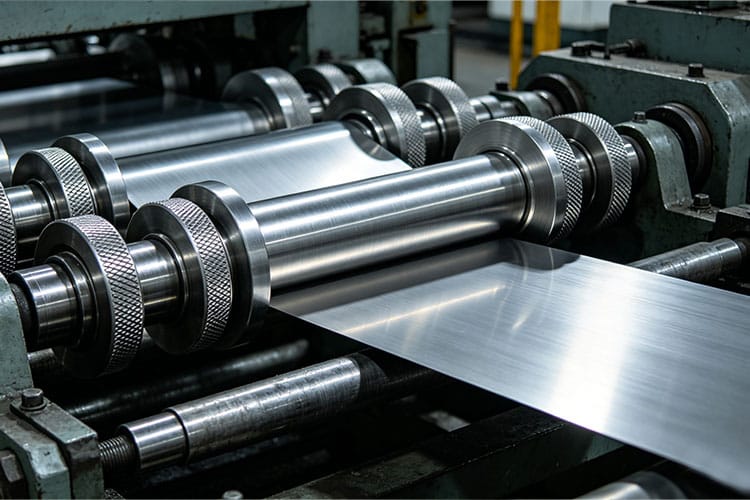
Buyers should explain whether titanium plates and sheets will be laser cut, waterjet cut, bent, welded, machined, or used as supplied. The processing route helps the supplier recommend size tolerance and surface protection.
| Selection Point | What to Specify | Why It Matters |
|---|---|---|
| Material grade | Commercially pure titanium or alloy grade | Grade affects corrosion resistance, strength, and formability |
| Thickness and size | Plate or sheet dimensions, tolerance, flatness | Controls machining, forming, and assembly fit |
| Surface finish | Mill, machined, polished, or custom finish | Affects appearance, cleaning, and downstream processing |
| Documents | Material certificate and inspection report | Supports incoming inspection and traceability |
Select the Grade and Standard
Commercially pure titanium is often selected for corrosion resistance and formability. Titanium alloy may be selected when strength is more important. If a project follows a material standard, include it in the inquiry so chemistry, properties, and documentation expectations are aligned.
For general background, the Wikipedia titanium overview explains why the material is widely used. In procurement, titanium plates and sheets still need grade, thickness, and inspection details.
Define Tolerance, Flatness, and Surface Requirements
Tolerance is not only a number on the drawing. If titanium plates and sheets will become precision machined parts, flatness and thickness variation can affect clamping and final dimensions. If the material will be formed, bend direction and surface condition may matter more.
Surface requirements should be stated clearly. Scratches may be acceptable for rough blanks but not for visible covers, medical-related blanks, or parts that need polishing. Packaging should protect finished surfaces during transport.
Plan Inspection and Documentation
Inspection can include grade confirmation, size checks, surface review, thickness measurement, and certificate review. Titanium plates and sheets for critical equipment should be supplied with documents agreed before production or shipment.
Incoming inspection becomes easier when every package is labeled by grade, size, quantity, and batch. This is especially useful when multiple thicknesses or several custom-cut sizes arrive together.
What to Include in the RFQ
A complete RFQ should include material grade, size, thickness, tolerance, quantity, surface finish, cutting requirement, application, and inspection documents. If drawings are available, send them together with any notes about critical faces.
Clear RFQ details help suppliers quote titanium plates and sheets accurately and reduce back-and-forth communication. Better specifications also make repeat orders easier to control.
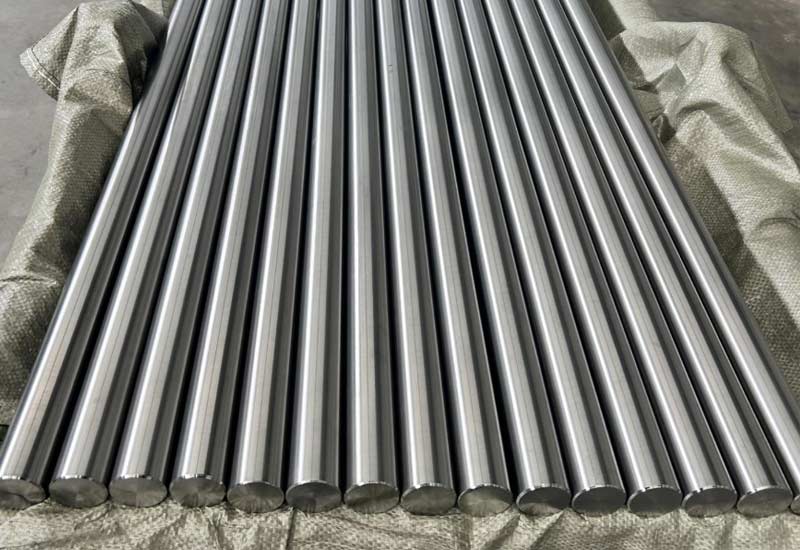
Related product references: review Titanium Plates and Sheets and Titanium Bars and Rods for product details that match this topic.
For quotation accuracy, include drawings, grade, size, tolerance, surface finish, quantity, and application notes when discussing titanium plates and sheets with the supplier.
A practical titanium plates and sheets specification should connect material choice with the working environment, assembly method, inspection documents, and packaging expectations.