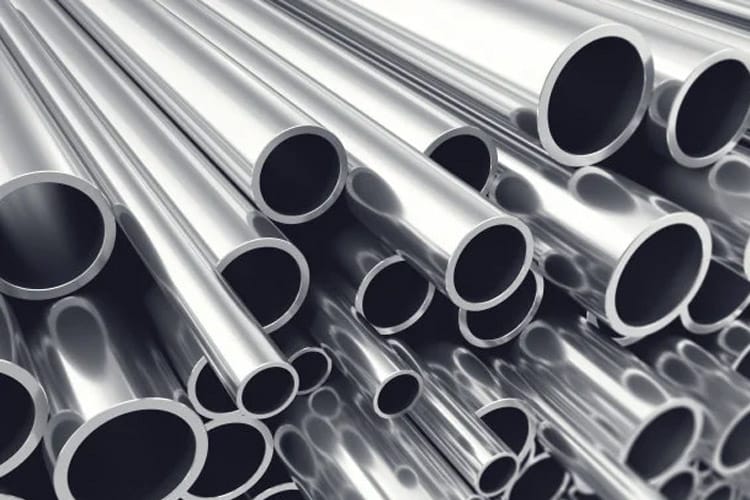
A request for a titanium component often starts with a material question.
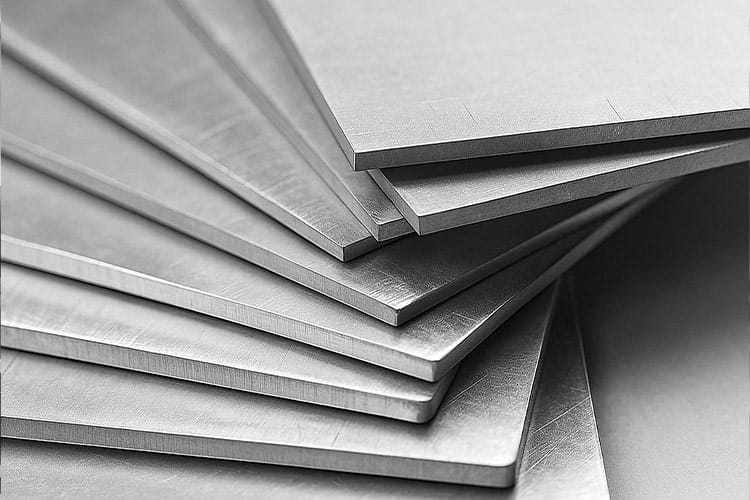
A buyer may ask for a Grade 5 titanium plate, a titanium block, or a specific size of raw material. But once the drawing is reviewed, it becomes clear that the material itself is only one part of the project.
The real requirement may be a finished bracket with threaded holes, a precision-machined component with tight tolerances, or a corrosion-resistant titanium part ready for assembly.
That changes the conversation.
For custom titanium alloy components, the most important question is not simply which titanium material is available. It is how the finished part should be manufactured.
The starting material, machining allowance, part geometry, titanium grade and production quantity can all affect the final cost and manufacturing route.
At Xinfeng Dingyuan, drawing-based projects can begin with a review of the finished component rather than just a request for a standard piece of titanium. Depending on the design, the most practical starting point may be titanium plate, bar, block, forging or another custom-prepared blank.
Table of Contents
What Are Custom Titanium Alloy Components?
Custom titanium alloy components are parts manufactured according to a customer’s drawing, dimensions or technical requirements.
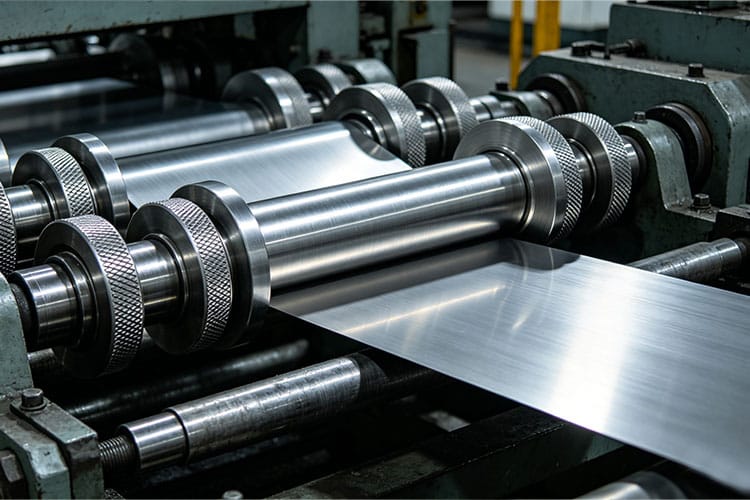
Unlike standard titanium materials supplied in fixed forms, these components are produced for a specific application. The manufacturing process may include material preparation, cutting, CNC machining, drilling, threading, finishing and inspection.
The finished part can range from a relatively simple mounting component to a complex precision part with multiple critical surfaces.
What makes the project “custom” is not simply the shape of the part. It is the fact that the material and manufacturing process are selected around the requirements of the finished component.
For example, a customer may need a titanium part with:
- Tight dimensional tolerances
- Multiple threaded holes
- Deep pockets or internal features
- Specific surface requirements
- High corrosion resistance
- High mechanical strength
- Material certification or traceability
Those requirements influence how the component should be produced.
Start With the Drawing, Not the Material Size
One common sourcing mistake is to choose the raw material before the finished part has been reviewed.
Imagine a component with a finished thickness of 20 mm. If both surfaces require machining, ordering a 20 mm titanium plate may not provide enough material for the final process.
The blank needs machining allowance.
The same applies to the length and width of the starting material.
A finished-part drawing can provide information that a simple material inquiry cannot:
| Drawing Information | Why It Matters for Manufacturing |
|---|---|
| Overall dimensions | Helps determine the starting material size |
| Tolerances | Affects machining and inspection requirements |
| Hole locations | Determines machining operations and setup |
| Threads | May require specific tooling and inspection |
| Surface finish | Influences the final manufacturing process |
| Material grade | Determines material properties and machinability |
| Part geometry | Helps select plate, bar, block or forging |
| Production quantity | Can change the most efficient manufacturing route |
For this reason, customers sourcing custom titanium products are usually better off sending the finished drawing at the beginning of the project.
The material form can then be selected around the component instead of forcing the component to fit a standard piece of stock.
Choosing the Right Starting Material
Titanium can be supplied in many forms, but not every form makes sense for every component.
The geometry of the finished part is usually one of the best starting points when choosing material.
| Starting Material | Best Suited For | Main Advantage | What to Consider |
|---|---|---|---|
| Titanium Plate | Flat parts, brackets and structural components | Flexible dimensions and easy blank preparation | May create more waste for thick or complex parts |
| Titanium Bar | Round or cylindrical parts | Better material utilization for certain geometries | Limited by available stock sizes |
| Titanium Block | Thick precision components | Suitable for substantial CNC machining | Can increase raw material usage |
| Titanium Forging | High-strength or complex parts | May reduce machining volume | Best suited to specific geometries and production requirements |
| Custom Blank | Drawing-based components | Can be prepared closer to the final shape | Requires project-specific planning |
The right option is not necessarily the cheapest raw material.
It is the one that makes the entire manufacturing process more efficient.
When Titanium Plate Is the Best Starting Point
Titanium plate is a practical starting material for many custom components, particularly those with a relatively flat profile.
Typical applications include:
- Mounting plates
- Equipment components
- Structural parts
- Custom brackets
- Precision flat components
- CNC-machined industrial parts
For these applications, the thickness of the titanium plate needs to be considered together with the final machining process.
A component that finishes at a specific thickness may require additional material for machining, grinding or surface preparation.
Flatness can also matter.
If a large plate will be machined into precision components, the starting condition of the material can affect setup and machining efficiency.
This is where Titanium Plates can naturally become part of a custom manufacturing project.
Instead of purchasing a standard plate and arranging separate processing, the customer can provide the finished drawing and discuss the required blank size before production begins.
For simple flat components, plate may be the most efficient choice. For a thick or highly complex part, another starting material may make more sense.
When Bar, Block or Forging Makes More Sense
A titanium plate is versatile, but it is not always the most efficient starting point.
Consider a thick round component machined from a large rectangular plate.
A significant amount of titanium may be removed before the finished part takes shape.
That removed material represents both material waste and machining time.
For certain components, starting with a titanium bar or block may provide better material utilization.
For others, particularly parts with substantial thickness or more complex geometry, a titanium forging or custom blank may be worth considering.
The difference can be significant.
| Manufacturing Approach | Potential Advantage | Potential Limitation |
|---|---|---|
| Machine from standard plate | Flexible and suitable for many flat parts | Higher material removal for some shapes |
| Machine from bar or block | Starting geometry may be closer to the finished part | Less flexible for certain profiles |
| Use a forging | Can reduce machining volume for suitable parts | May require a more specialized production route |
| Use a custom blank | Optimized around the component design | Requires additional planning before machining |
This is why the finished drawing should guide the manufacturing route.
For custom titanium alloy components, raw material selection and machining should not be treated as completely separate decisions.
Selecting the Right Titanium Grade
The titanium grade should match the application of the finished component.
A higher-grade or more expensive material is not automatically the better choice.
Grade 2 Titanium
Grade 2 is widely used where corrosion resistance and good fabrication characteristics are important.
Typical applications include:
- Chemical processing equipment
- Marine components
- Corrosion-resistant industrial parts
- Fabricated titanium equipment
For a component exposed to a corrosive environment without extreme mechanical loads, Grade 2 may be a practical choice.
Grade 5 Titanium
Grade 5, also known as Ti-6Al-4V, is commonly selected when higher mechanical strength is required.
It is widely used for:
- Precision-machined parts
- Structural components
- High-performance machinery
- Load-bearing components
- Aerospace-related applications
Grade 5 also requires careful machining control. Heat, tool engagement and rigidity can all influence machining performance and surface quality.
Grade 23 Titanium
Grade 23, or Ti-6Al-4V ELI, is commonly associated with applications requiring more tightly controlled material characteristics.
It is frequently used for medical-related and other high-performance components.
For medical projects, however, the grade is only part of the requirement. Material traceability, documentation, dimensional accuracy and surface requirements may also need to be considered.
| Titanium Grade | Main Strength | Common Applications |
|---|---|---|
| Grade 2 | Corrosion resistance and formability | Chemical, marine and industrial equipment |
| Grade 5 | High strength-to-weight performance | Precision and structural components |
| Grade 23 | Controlled material characteristics | Medical and high-performance components |
The correct grade should be selected according to the finished part and its operating environment.
From Raw Titanium to a Finished Custom Component
Once the material and starting form have been selected, the manufacturing process can move forward.
The exact route varies from project to project, but most custom titanium alloy components follow a similar sequence.
Material Preparation
The first step is preparing the titanium material to a suitable starting size.
For a flat component, this may involve cutting titanium plate into blanks.
For a thicker component, the starting material may be a bar, block or custom-prepared shape.
The objective is to leave enough material for machining without creating unnecessary waste.
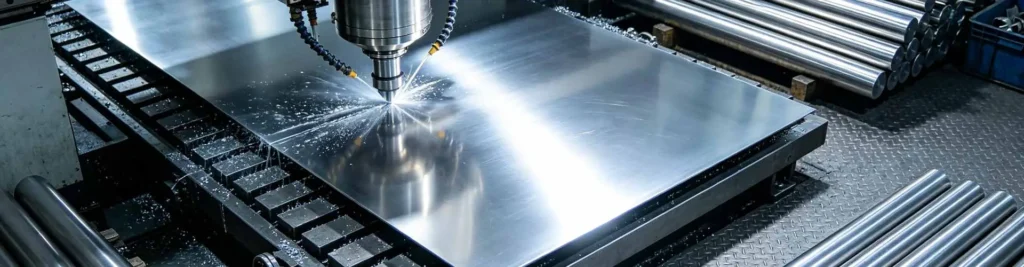
CNC Machining
The machining method depends on the geometry of the part.
Some components only require conventional milling, drilling and threading.
Others may require multi-axis machining to reach complex surfaces and maintain dimensional accuracy.
Titanium machining requires attention to process control because the material can concentrate heat in the cutting zone. Tool selection, cutting parameters and machine rigidity all play a role in the quality of the finished component.
Surface Finishing
Not every custom titanium part requires the same surface condition.
Depending on the application, the finished component may need:
- Standard machined surfaces
- Polishing
- Sandblasting
- Controlled surface roughness
- Other application-specific finishes
The required finish should be defined before production whenever possible.
Inspection
Inspection requirements should reflect the actual needs of the component.
This may include:
- Dimensional measurement
- Thread inspection
- Critical feature verification
- Surface inspection
- Material certification
- Batch traceability
For high-precision or medical titanium components, these requirements are particularly important to clarify before production begins.
Why Material Utilization Matters in Titanium Manufacturing
When comparing quotations for a custom titanium component, the raw material price is only one part of the total cost.
The amount of titanium removed during machining can also make a significant difference.
A rectangular titanium plate may be inexpensive as a starting material, but if most of it must be machined away, the finished component can become more expensive than expected.
A different starting form may cost more per kilogram while reducing:
- Material waste
- Machining time
- Tool consumption
- Production time
For this reason, the total manufacturing route is often more important than the price of the raw titanium alone.
| Cost Factor | Why It Matters |
|---|---|
| Raw material | Affects the starting cost of the project |
| Material utilization | Determines how much titanium becomes the finished part |
| Machining time | Can significantly influence production cost |
| Tooling | Titanium machining can increase tool requirements |
| Blank preparation | A better starting shape may reduce machining work |
| Inspection | Precision requirements can add manufacturing steps |
| Production quantity | Larger volumes may justify a different production route |
The goal is not simply to buy titanium at the lowest price.
It is to manufacture the finished component efficiently.
How Production Quantity Can Change the Manufacturing Method
The number of components required can influence the best manufacturing route.
For a prototype or small production run, machining directly from standard titanium plate, bar or block may be the most practical option.
For repeat production, the project may benefit from a more optimized starting form.
That could include:
- Custom blanks
- Forged starting shapes
- Optimized cutting sizes
- Dedicated fixtures
A part that is economical to machine one at a time may require a different approach when produced in larger quantities.
This is why the required quantity should always be included in a quotation request.
It gives the manufacturer a clearer picture of how the component will be produced.
Custom Titanium Components for Industrial Equipment
Titanium is selected for industrial components for different reasons.
In chemical processing, corrosion resistance may be the main priority.
In marine equipment, long-term exposure to seawater can influence material selection.
In precision machinery, strength, dimensional accuracy and component reliability may be more important.
The manufacturing process should reflect these differences.
A corrosion-resistant Grade 2 component may require a very different production route from a high-strength Grade 5 precision part.
This is why application information is valuable when requesting custom titanium products.
The drawing shows what the part looks like.
The application explains what the part needs to do.
Together, they provide a much better foundation for material selection and manufacturing planning.
Custom Titanium Alloy Components for Medical Applications
Medical titanium components require additional attention because the finished part may have requirements beyond basic dimensions.
Depending on the application, the project may involve:
- Specific titanium grades
- Material traceability
- Surface requirements
- Precision tolerances
- Inspection documentation
- Application-specific standards
A medical titanium component should therefore be reviewed as a complete manufacturing project.
For customers developing drawing-based medical parts, it is helpful to provide the material requirement and any relevant documentation or inspection expectations at the beginning.
This allows the manufacturing process to be planned around the intended application rather than treating the part as a general industrial component.
Xinfeng Dingyuan’s product range includes Titanium Medical Components as well as custom titanium products, allowing different types of titanium projects to be evaluated according to their material and manufacturing requirements.
What Should You Send for a Custom Titanium Component Quote?
A detailed RFQ does not need to be complicated.
A few pieces of information can make the quotation process much more efficient.
| Information to Provide | How It Helps |
|---|---|
| 2D drawing | Defines dimensions, tolerances and technical requirements |
| 3D model | Helps evaluate complex geometry |
| Material grade | Determines material selection |
| Quantity | Influences the manufacturing route |
| Surface requirement | Defines finishing operations |
| Application | Helps evaluate whether the material is suitable |
| Certification needs | Clarifies documentation and traceability requirements |
If you are unsure about the best titanium grade or starting material, providing the application details is often more useful than making an assumption.
A drawing combined with information about the working environment can provide a solid starting point for a manufacturing review.
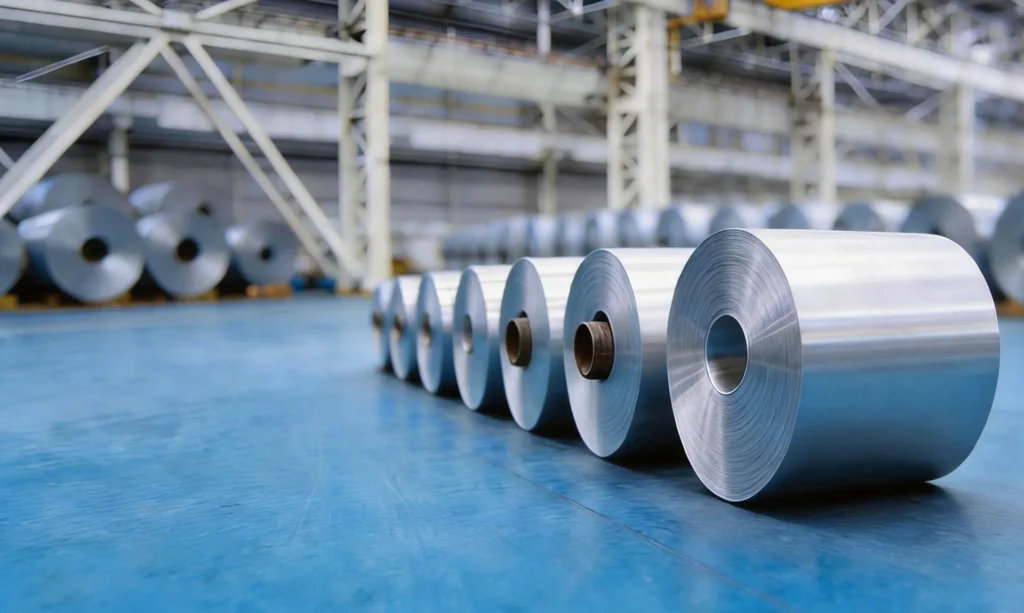
How Xinfeng Dingyuan Supports Custom Titanium Projects
For a custom titanium component, manufacturing begins before the first machining operation.
The material form, blank size and production route all need to be considered.
Xinfeng Dingyuan works with titanium materials, titanium plates and custom titanium alloy components for drawing-based projects.
Depending on the geometry and application, the starting point may be a titanium plate, bar, block, forging or another form better suited to the finished part.
This allows the project to be evaluated from the perspective of the final component rather than simply quoting a standard piece of raw material.
For some projects, titanium plate will be the most practical starting point.
For others, choosing a different material form can reduce unnecessary machining and improve material utilization.
The objective is the same: select a manufacturing route that makes sense for the finished component.
FAQ
What are custom titanium alloy components?
Custom titanium alloy components are parts manufactured according to customer drawings, dimensions or technical requirements. They may be produced from titanium plate, bar, block, forging or other material forms depending on the finished part.
Can custom titanium parts be made from titanium plate?
Yes. Titanium plate is commonly used as a starting material for flat, structural and CNC-machined components. The starting dimensions should include appropriate machining allowance.
Which titanium grade is commonly used for custom machined parts?
Grade 5 is commonly selected for high-strength precision components, while Grade 2 is widely used for corrosion-resistant industrial applications. Grade 23 may be required for certain medical and high-performance components.
Is a titanium forging always better than machining from plate?
No. The best starting material depends on the geometry, quantity, performance requirements and overall manufacturing route. Titanium plate may be ideal for flat components, while a forging or custom blank may be more efficient for thicker or more complex parts.
What files should I provide for a custom titanium part?
A 2D drawing is useful for dimensions and tolerances, while a 3D model can help with complex geometry. Material grade, quantity, surface requirements and certification needs should also be provided when available.
Final Thoughts
The best custom titanium component does not always start with the same material.
A titanium plate may be ideal for one design, while a bar, block, forging or custom-prepared blank may be more efficient for another.
The key is to start with the finished part and work backwards.
By reviewing the drawing, material requirements, application and production quantity together, it becomes easier to choose a manufacturing route that balances material utilization, machining requirements and component performance.
If you are sourcing custom titanium alloy components, Xinfeng Dingyuan can review your drawing and project requirements to help identify a suitable starting material and manufacturing approach.
Whether the project begins with titanium plate or another titanium material form, the goal is to deliver a component that is ready for the next stage of production.