Table of Contents
- Why Use a Forged Titanium Blank
- Match Forging Shape to Final Machining
- Consider Grade and Mechanical Requirements
- Define Machining Allowance Clearly
- Inspect Both Blank and Finished Part
- Information Needed for Quotation
Titanium forgings are often selected when a project needs more than a simple cut plate or bar. Discs, blocks, bearing parts, rings, and irregular blanks may need a stronger and more suitable starting form before precision machining. Choosing the right blank can reduce waste, improve process stability, and support demanding industrial applications.
This guide explains when titanium forgings make sense and how buyers should specify them. It is written for engineering and purchasing teams sourcing Forged Titanium Discs, blocks, and custom machined components.
Why Use a Forged Titanium Blank
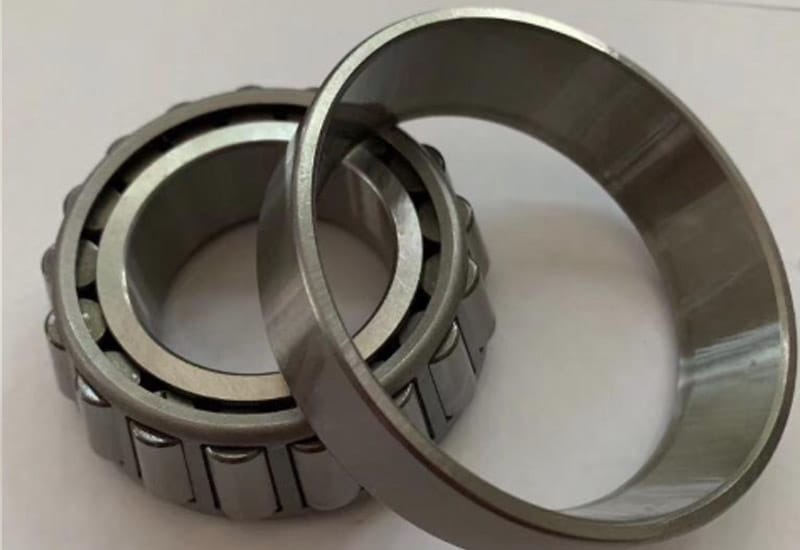
Titanium forgings can provide a practical starting point for parts that require strength, controlled geometry, or significant machining. Instead of removing large amounts of material from a rectangular plate, a forged blank may be closer to the final shape. This can be helpful for discs, bearing parts, blocks, and special structural components.
The decision should be based on function and manufacturing route. Titanium forgings may be useful when the final part has high load requirements, thicker sections, or geometry that would create excessive material loss from standard stock.
Match Forging Shape to Final Machining
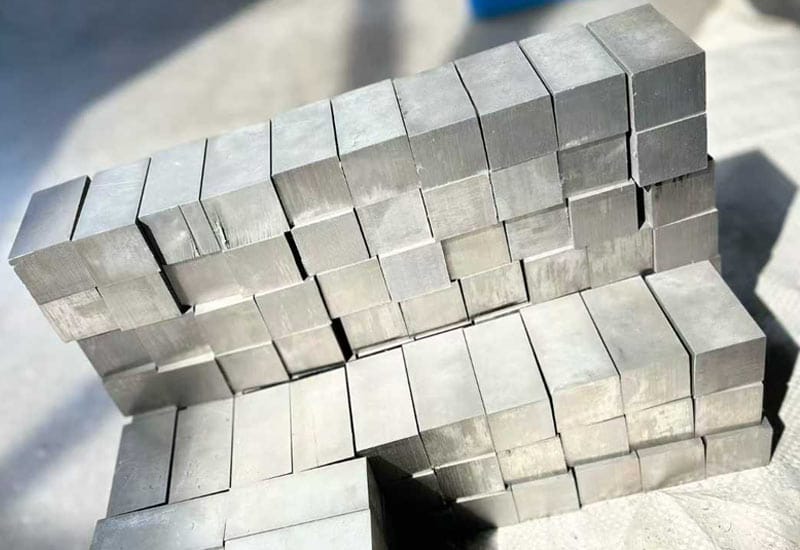
Forged titanium discs are common starting blanks for round components, flanges, covers, and rotating or pressure-related parts. Titanium blocks may be used for custom structural parts, brackets, tooling elements, and high-strength machined pieces. Spheres and special shapes may also be produced for unique equipment requirements.
Buyers should provide the final drawing and, if possible, the proposed blank size. The supplier can then review machining allowance, clamping method, deformation risk, and whether titanium forgings are the right route.
Consider Grade and Mechanical Requirements
The grade used for titanium forgings should match the working condition. Commercially pure titanium may be suitable for corrosion-focused parts, while titanium alloy may be selected for higher strength. Load, temperature, impact, fatigue, and corrosion exposure should be described before material selection is finalized.
For general terminology, forging refers to shaping metal using compressive force. In titanium production, process planning, temperature control, and later machining all affect whether titanium forgings meet the project requirement.
Define Machining Allowance Clearly
Machining allowance is one of the most important details in forged blanks. If the allowance is too small, the final part may not clean up after machining. If it is too large, the buyer may lose the benefit of near-shape production. Titanium forgings should be specified with enough stock for finishing, inspection, and surface correction.
When drawings include tight flatness, concentricity, or surface finish requirements, the supplier should know before forging. These requirements influence blank size, heat treatment discussion, and machining sequence.
| Decision Area | What to Check | Why It Matters |
|---|---|---|
| Blank shape | Disc, block, ring, sphere, or special blank | Close shape can reduce machining waste |
| Mechanical demand | Load, fatigue, impact, or pressure condition | Helps determine whether forging is justified |
| Machining allowance | Enough stock for finishing and inspection | Prevents undersize after final machining |
| Surface needs | As-forged, machined, polished, or blasted | Affects process planning and cost control |
Inspect Both Blank and Finished Part
Inspection should match the project stage. A forged blank may need material verification, size check, surface review, and traceability. A finished machined part may need dimensional reports, surface inspection, hole and thread checks, and packaging review.
If titanium forgings are supplied as blanks only, the buyer should define acceptable surface condition and dimensional tolerance. If the supplier also performs machining, inspection should cover the final component drawing.
Information Needed for Quotation
A useful inquiry includes final drawing, blank shape, titanium grade, quantity, machining allowance, surface condition, inspection requirement, and intended application. For complex titanium forgings, photos or 3D models can help the supplier understand geometry and risk.
Good upfront communication allows the manufacturer to choose a practical process route. When titanium forgings are specified correctly, they can support reliable production of precision industrial components without unnecessary material waste.
Procurement Checklist for Better Results
Before ordering titanium forgings, decide whether the supplier should deliver forged blanks only or finished machined parts. This decision changes inspection scope, packaging, machining allowance, and responsibility for final dimensions.
Provide the final drawing even when the order is only for blanks. Titanium forgings are easier to plan when the manufacturer understands the finished shape, critical surfaces, and machining sequence. A small adjustment to blank shape can reduce material waste or improve clamping during machining.
Ask for clear confirmation of grade, size, surface condition, and documents. Titanium forgings should arrive with enough allowance for finishing and enough traceability for the buyer to connect each blank with the final component batch.
For related forged blank options, review Forged Titanium Discs and Custom Titanium Block for product specifications that match this topic.
Additional Planning Notes
Lead time should also be discussed early. Forged blanks and finished machined parts may follow different production schedules, especially when special material, heat treatment discussion, or extra inspection is required. Clear planning helps avoid urgent changes after the order is released.