
Table of Contents
For engineers, sourcing managers, and OEM product teams, titanium flange sealing surface is rarely a simple catalog item. The real work is deciding which drawing details, material expectations, inspection steps, and supplier questions should be clear before production starts.
This guide explains how to specify titanium flange sealing surface for corrosive piping systems, chemical equipment, and marine fluid lines. It is written for buyers who need practical purchasing language, not a generic material introduction. The goal is to help you reduce avoidable revisions, quotation delays, and mismatched expectations.
Start With the Working Environment
titanium flange sealing surface should be selected around the environment first: media exposure, load, temperature, cleaning process, user contact, and assembly method. Titanium is valued for corrosion resistance and low weight, but each project still needs a clear operating picture.
For corrosive piping systems, chemical equipment, and marine fluid lines, the most useful inquiry explains where the part will be installed, what it will contact, and how often it will be inspected or replaced. A supplier can then review whether the design is better treated as a standard item, a modified item, or a fully custom component.
Match the Product Form to the Buyer Intent
A strong titanium flange sealing surface inquiry describes the product form rather than only naming titanium. Buyers should mention whether the order needs finished components, semi-finished blanks, machined features, formed geometry, welded assemblies, or surface preparation.
This is also where internal references help. Buyers can compare related product pages such as Titanium Flange, Titanium Pipe Elbows, titanium pipe fittings guide, Contact Us, Titanium Products before sending drawings. These links give the supplier context for size ranges, product families, and the style of customization expected.
Choose Grade Requirements Without Guesswork
Grade selection for titanium flange sealing surface depends on corrosion exposure, strength, forming behavior, machining requirements, and regulatory context. Commercially pure grades may fit corrosion-driven parts, while titanium alloys may be chosen where higher mechanical strength is needed.
Do not rely on a vague statement such as “industrial titanium” or “medical titanium” when the part has a defined use. A better request names the desired grade if known, or describes the performance requirement so the supplier can recommend a practical route.
Define Dimensions, Tolerances, and Critical Features
The drawing package for titanium flange sealing surface should separate critical dimensions from reference dimensions. Holes, sealing areas, mating faces, thread engagement, bend radius, wall thickness, and flatness should not be buried in a crowded drawing without notes.
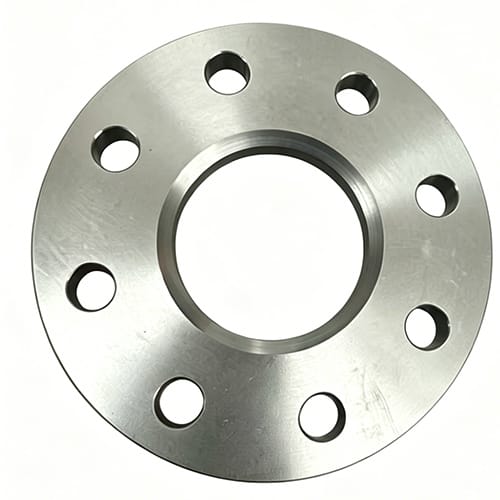
For flange work, face flatness, bolt-hole position, outside diameter, and gasket contact areas deserve special attention. When a buyer cannot define every tolerance, it is still useful to mark which features affect assembly and which features are less sensitive. That lets the supplier focus measurement time where it matters.
Plan Manufacturing Before Confirming the Drawing
titanium flange sealing surface may involve cutting, CNC machining, forming, welding, polishing, passivation, heat treatment, or careful cleaning depending on the item. A drawing that looks simple on screen can still be difficult to manufacture if tool access, clamping, springback, or surface protection is ignored.
Flange faces often need controlled machining so gasket contact is predictable and bolt holes align cleanly. The best early review asks how the part will be held, which features are produced first, and whether any geometry should be adjusted to improve repeatability.
Compare Specification Choices
| Decision area | What to specify | Why it matters |
| Material grade | Grade or performance requirement for titanium flange sealing surface | Prevents mismatched strength or corrosion assumptions |
| Geometry | Critical dimensions, holes, bends, faces, or threads | Supports manufacturability and inspection planning |
| Surface condition | Machined, polished, cleaned, blasted, or passivated finish | Affects appearance, handling, contact surfaces, and cleaning |
| Inspection | Dimensions, visual checks, certificates, or sample approval | Keeps acceptance criteria clear before shipment |
Set Surface Finish and Cleaning Expectations
Surface condition changes how titanium flange sealing surface looks, feels, fits, and performs in the final assembly. Buyers should state whether tool marks are acceptable, whether edges must be softened, and whether the surface will be visible to end users.
For sealing areas, appearance is less important than clean contact, controlled machining marks, and damage prevention. If the part contacts sensitive media or people, cleaning and packaging notes should be included in the purchase requirement rather than discussed only after production.

Request Practical Inspection Evidence
Inspection for titanium flange sealing surface should match the risk of the part. For some orders, dimensional reports and visual checks are enough. For more demanding applications, buyers may request material certificates, sample approval, traceability notes, or additional dimensional records.
Authority references can help buyers use common language. Useful background sources include Titanium overview, ASTM standards, ISO quality management, NIST materials reference. These resources are not a replacement for project-specific drawings, but they help teams discuss materials, quality systems, and technical terminology consistently.
Avoid Common Sourcing Mistakes
Many delays happen because the buyer asks for titanium flange sealing surface without explaining the working environment, surface expectations, or acceptance criteria. Another common issue is sending a 3D model without a 2D drawing that defines tolerances and inspection priorities.
The main risk is treating the sealing face as decorative instead of functional. If a part must fit an existing assembly, include mating dimensions and photos where useful. If the product will be branded, include logo method, packaging preference, and any visual finish limits.
What to Send for a Clear Quotation
A complete request for titanium flange sealing surface normally includes a drawing, target quantity, material preference, surface finish, inspection requirement, expected application, and any packaging or marking needs. If the drawing is still open, explain which dimensions are fixed and which can be optimized.
- Share 2D drawings and 3D files when available.
- Mark critical tolerances and functional surfaces.
- State whether samples are needed before batch production.
- Explain the final application and assembly conditions.
- Use titanium flange sealing surface consistently in the inquiry so the purchasing and engineering teams discuss the same item.
FAQs
What information is most important when ordering
The most important information is the drawing, grade requirement, working environment, dimensions, surface finish, inspection needs, and expected quantity. For custom titanium flange sealing surface, the supplier also needs to know which features are critical to assembly.
Can titanium flange sealing surface be customized for non-standard drawings?
Yes, titanium flange sealing surface can often be customized when the supplier receives clear drawings and practical tolerance requirements. The review should happen before production so machining, forming, welding, or finishing steps are realistic.
Which titanium grade should buyers choose?
The right grade depends on corrosion exposure, strength, formability, machining, and the final application. Buyers should avoid guessing when the working condition is demanding and should describe the requirement clearly.
How should buyers confirm quality before shipment?
Quality can be confirmed with dimensional inspection, visual checks, material certificates, sample approval, and agreed packaging requirements. The inspection plan for titanium flange sealing surface should match the part risk and application.
Why does a supplier ask so many questions before quoting?
A careful supplier asks questions because titanium flange sealing surface may change significantly with grade, tolerance, finish, and production route. Clear answers help prevent unsuitable quotations and reduce revision work.
Send a Better Inquiry
If your project needs titanium flange sealing surface for corrosive piping systems, chemical equipment, and marine fluid lines, send the drawing, grade target, working environment, and inspection needs to XFDY Titanium. The team can review whether a standard product, modified product, or custom manufacturing route is the better fit.