Table of Contents
Titanium cup camping is a practical search topic because buyers are usually trying to solve a sourcing question, not simply read a definition. They want to know whether the material, manufacturing route, finish, tolerance, and inspection process can match real use conditions. For Xinfengda buyers, titanium cup camping also connects directly to custom titanium manufacturing, where drawings, samples, and application details matter as much as a catalog name.
This guide explains how to evaluate titanium cup camping for camping gear brands and outdoor distributors. It focuses on material selection, manufacturing details, surface requirements, inspection points, and supplier communication, so the article can support a real purchasing conversation rather than a generic product overview.
What Buyers Mean by titanium cup camping
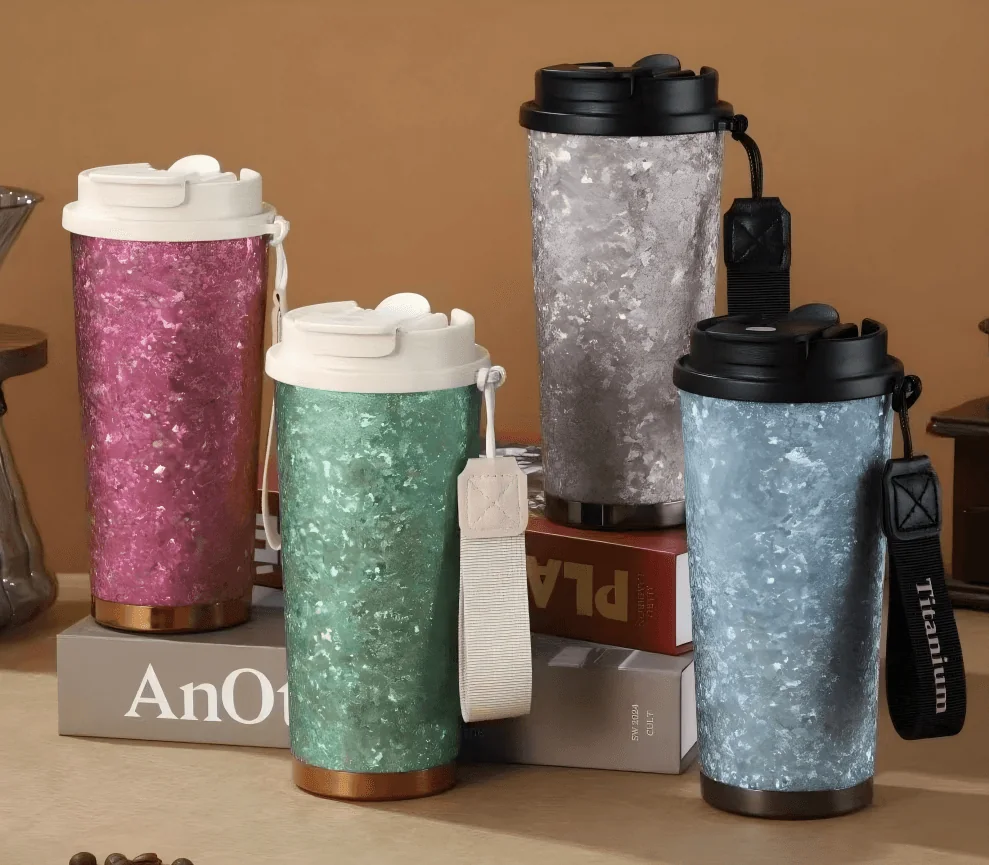
In sourcing conversations, titanium cup camping can refer to a finished product, a semi-finished component, or a custom part produced from titanium material. The exact meaning depends on the drawing, application, grade, dimensions, surface condition, and order quantity. A buyer should therefore define the part by function first, then confirm the titanium grade and production route.
For camping titanium cup, the most useful specification includes the working environment, load or contact condition, target size, edge or thread detail, finish, packaging needs, and any documentation required by the buyer. This prevents the supplier from quoting a visually similar item that does not match the actual use case.
Why Titanium Is Considered for This Product
Titanium is often considered because it combines corrosion resistance, relatively low density, useful strength, and a stable surface oxide layer. For lightweight cookware kits, hiking cups, and compact travel sets, these properties can help reduce rust concerns, improve long-term appearance, and support lightweight design. That said, titanium cup camping should still be evaluated against the exact project conditions rather than selected only because titanium sounds premium.
The supplier should explain whether commercially pure titanium or titanium alloy is more suitable. commercially pure titanium for light outdoor drinkware is commonly discussed for this type of project, but the final choice depends on forming, machining, welding, strength, corrosion exposure, and cost-control requirements. If the application is regulated or safety-critical, the buyer should request the relevant documents and confirm suitability with qualified engineers.
Material Grade and Specification Checklist
- Confirm the titanium grade and applicable standard before sampling.
- Define size, tolerance, wall thickness, hole pattern, thread, bend radius, or contact surface as needed.
- Clarify whether the part requires machining, forming, welding, polishing, brushing, anodizing, or cleaning.
- Ask what inspection records can be supplied with titanium cup camping.
- Confirm packaging requirements for export, retail, or assembly-line handling.
A written specification is especially important when titanium cup camping is ordered for OEM or ODM projects. A clear drawing reduces misunderstanding and makes it easier to compare samples, production batches, and inspection results.
Manufacturing Details That Affect Quality
The production route for titanium cup camping may involve cutting, forming, CNC machining, stamping, welding, grinding, polishing, or surface treatment. Small details can change performance. For example, a sharp edge may create handling issues, an uneven surface may affect appearance, and poor dimensional control can cause assembly problems.
For camping titanium cup, the supplier should review the drawing before confirming production. Important questions include whether the part needs fixture control, whether deformation may occur during forming, whether burrs need removal, and whether the final finish should be decorative, functional, or both.
Comparison Table for Buyer Decisions
| Decision Point | What to Check | Why It Matters |
|---|---|---|
| Material | commercially pure titanium for light outdoor drinkware | Controls strength, corrosion behavior, forming, and machining response. |
| Surface | matte, brushed, or heat-resistant outdoor finish | Affects appearance, cleaning, friction, and customer perception. |
| Dimensions | Drawing, tolerance, and sample approval | Prevents assembly mismatch and reduces rework. |
| Inspection | weight, capacity, handle strength, lid fit, packing scratches | Helps confirm repeatability before shipment. |
| Packaging | Bulk, retail, or protective export packing | Reduces scratches and transit damage. |
Common Risks to Clarify Early
The main risk with titanium cup camping is not usually the word “titanium” itself. The risk is incomplete specification. Capacity, nesting size, lid fit, and handle comfort are often missed when buyers only compare weight. A buyer should also avoid assuming that one grade, finish, or thickness fits every use. When a part is copied from a photo without a drawing, the first sample often becomes the real engineering discussion.
Another risk is overclaiming. Titanium has strong advantages, but no supplier should promise impossible results. The better approach is to discuss the use environment, confirm reasonable tolerances, test samples, and agree on inspection criteria before bulk production.
How to Request a Useful Quote
To request a quote for titanium cup camping, send the supplier a drawing or sample photo, target grade, size, quantity, surface finish, packaging expectation, and use environment. If the part must fit another assembly, include mating dimensions and any functional surfaces. If the product is for retail, include logo, color, labeling, and packaging requirements.
For custom titanium work, the first quote is most accurate when the supplier understands both the technical requirement and the commercial goal. Xinfengda can review drawings, suggest manufacturable details, and support OEM or ODM production for titanium products and custom components.
Internal Resources for titanium cup camping
For product-specific details, review titanium cup. For broader customization support, see custom titanium products.
Useful External Reference
For general background on titanium behavior, material standards, or product safety context, buyers can consult Leave No Trace outdoor principles. Use authority references as context, then confirm project-specific requirements with the supplier and qualified technical personnel.
FAQ
What information is needed to quote
A supplier usually needs material grade, drawing or sample, size, tolerance, finish, quantity, use environment, and packaging details to quote titanium cup camping accurately.
Can titanium cup camping be customized?
Yes. titanium cup camping can often be customized by size, grade, finish, machining detail, logo, and packaging, depending on the product design and production method.
Which titanium grade is suitable?
The suitable grade depends on strength, corrosion exposure, forming, machining, and regulatory needs. Buyers should share the application before confirming a grade.
Is titanium cup camping always better than stainless steel?
Not always. Titanium can offer weight and corrosion advantages, while stainless steel may be more familiar or easier to source for some uses. The right choice depends on the project.
How should samples be checked?
Check dimensions, finish, edge quality, function, assembly fit, packaging, and any inspection documents before approving bulk production.
Request a Custom Titanium Quote
If you are sourcing titanium cup camping for a product line, equipment project, or custom component, send Xinfengda your drawing, sample, target grade, and quantity. The team can help review manufacturability, confirm material options, and prepare a practical OEM or ODM production plan.