Table of Contents
- Confirm the Final Part Before Choosing Stock
- Choose Grade by Strength and Environment
- Specify Diameter, Length, and Straightness
- Review Surface and Delivery Condition
- Plan Inspection Requirements
- RFQ Details Buyers Should Send
Titanium bars and rods are widely used for CNC machining, fastener blanks, shafts, medical-related components, aerospace-related parts, and corrosion-resistant industrial assemblies. A good inquiry should define more than diameter and length because straightness, surface condition, tolerance, and grade can change production results.
This selection guide helps buyers specify titanium bars and rods for machining and fabrication projects. The goal is to reduce quotation uncertainty and help suppliers recommend a practical material route.
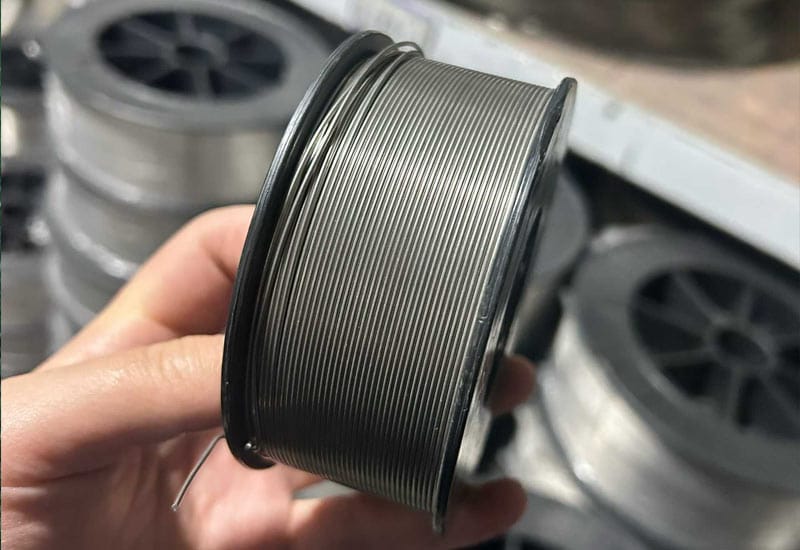
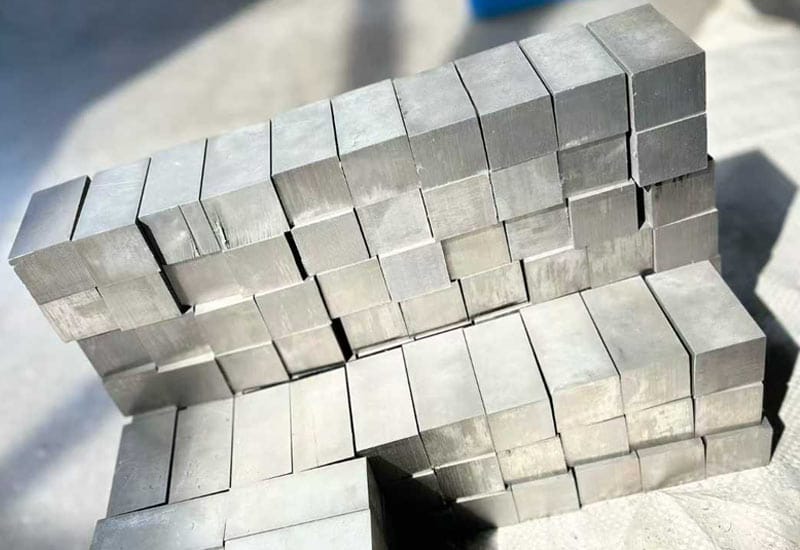
Confirm the Final Part Before Choosing Stock
The final part should guide the raw material. Titanium bars and rods for turned components need enough machining allowance, stable straightness, and a diameter that supports the finished geometry. For simple cut pieces, the priority may be grade and delivery length.
If a bar will become a threaded part, shaft, pin, bushing, or custom component, share the final drawing. Titanium bars and rods are easier to quote accurately when the supplier understands downstream machining.
Choose Grade by Strength and Environment
Commercially pure titanium grades are often used when corrosion resistance and formability matter. Titanium alloy grades are selected when higher strength or fatigue resistance is required. The application should determine the grade, not only stock availability.
Titanium bars and rods may be used in marine equipment, chemical fixtures, medical-related parts, or precision machinery. Each environment has different expectations for strength, surface, and inspection.
| Selection Point | What to Specify | Why It Matters |
|---|---|---|
| Diameter or size | Round, square, or custom bar size | Controls machining allowance and final part design |
| Straightness | Required straightness and delivery length | Affects turning, feeding, and fixture setup |
| Surface | Peeled, ground, polished, or as supplied | Influences machining and final appearance |
| Grade | Pure titanium or alloy grade | Matches corrosion, strength, and application needs |
Specify Diameter, Length, and Straightness
Diameter tolerance affects machining time and material yield. If titanium bars and rods are too close to the final size, cleanup may be difficult. If they are too large, machining time and material waste increase.
Straightness is important for long bars, automatic feeding, turning, and precision shafts. Buyers should tell the supplier whether the material will be cut into short pieces, fed through equipment, or machined as long stock.
Review Surface and Delivery Condition
Surface condition can affect machining, polishing, and appearance. Peeled, ground, polished, or as-supplied surfaces each have different uses. If the surface will remain visible after machining, the requirement should be clear from the start.
Packaging should prevent dents, scratches, and mixing between grades. Titanium bars and rods should be labeled by grade, size, quantity, and batch for easy incoming inspection.
Plan Inspection Requirements
Inspection may include diameter, length, straightness, surface condition, material certificates, and batch traceability. The inspection level should match the final application and the buyer internal quality process.
For repeat orders, keep the same specification sheet. Titanium bars and rods ordered with consistent requirements help machining teams maintain stable setup and predictable yield.
RFQ Details Buyers Should Send
A complete RFQ includes grade, diameter, length, quantity, tolerance, straightness, surface finish, certificate requirement, and final application. If machining drawings are available, include them so the supplier can check allowance and grade suitability.
Clear details help suppliers quote titanium bars and rods with fewer assumptions. They also help buyers compare options on material suitability, not only basic size.
Related product references: review Titanium Bars and Rods and Industrial Titanium Wire for product details that match this topic.
For quotation accuracy, include drawings, grade, size, tolerance, surface finish, quantity, and application notes when discussing titanium bars and rods with the supplier.
A practical titanium bars and rods specification should connect material choice with the working environment, assembly method, inspection documents, and packaging expectations.
When comparing options, buyers should evaluate titanium bars and rods by performance requirements first, then confirm manufacturing route, documentation, and delivery details.