Table of Contents
- Define the End Use First
- Select Grade by Performance Requirement
- Control Diameter and Tolerance
- Specify Surface and Cleanliness
- Choose Coil, Spool, or Straight Lengths
- What to Include in the Inquiry
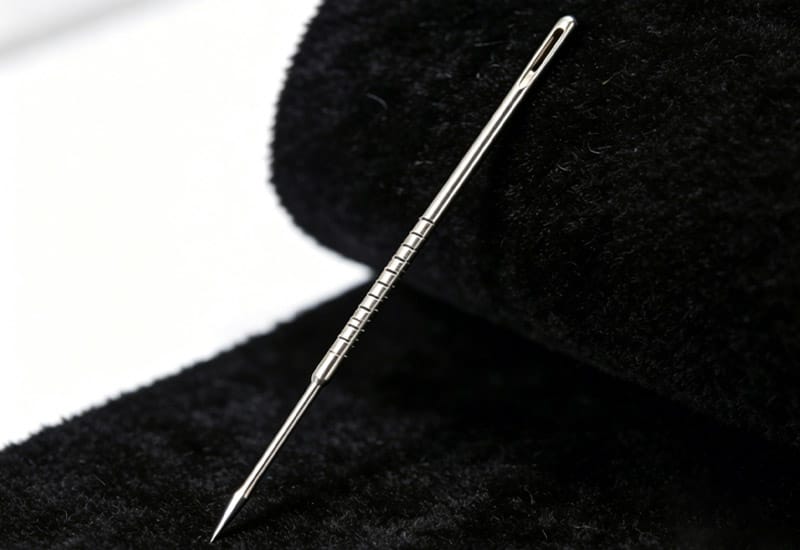
Industrial titanium wire is used in manufacturing projects that need corrosion resistance, low weight, good material stability, or special processing behavior. It may be used for woven products, fastener blanks, springs, electrodes, medical-related components, fixtures, and precision industrial parts.
This article explains how to specify Industrial Titanium Wire for purchasing and production. It focuses on grade, diameter, surface condition, packaging, inspection, and the information needed for a clear quotation.
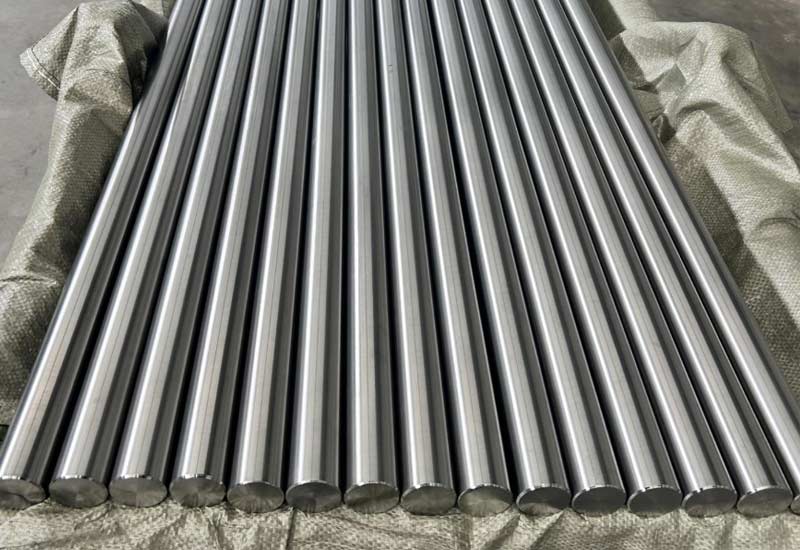
Define the End Use First
The same Industrial Titanium Wire can be unsuitable if the application details are unclear. Wire used for forming, weaving, welding-related work, medical-related parts, or precision components may need different diameter tolerance, surface finish, straightness, and packaging.
Buyers should describe the downstream process before asking for a quote. If Industrial Titanium Wire will be bent, cut, polished, or assembled into another product, the supplier can use that information to recommend a practical grade and delivery condition.
Select Grade by Performance Requirement
Commercially pure titanium wire is often selected when corrosion resistance and formability are priorities. Titanium alloy wire may be selected when higher strength is required. The grade should match the drawing, working environment, and any applicable standard or internal specification.
For a general introduction to titanium as a material, see the Wikipedia titanium page. In real sourcing, Industrial Titanium Wire should be specified by grade, diameter, surface, tolerance, and delivery form.
Control Diameter and Tolerance
Diameter is a key purchasing parameter. Small changes can affect fit, forming force, weight, and downstream processing. Industrial Titanium Wire should be ordered with a diameter tolerance that is tight enough for the process but not stricter than necessary.
If the wire will pass through dies, holes, guides, or automated equipment, provide those requirements early. For straightened wire, length tolerance and straightness should also be stated clearly.
Specify Surface and Cleanliness
Surface condition affects both processing and appearance. Industrial Titanium Wire may be supplied with a bright surface, cleaned surface, polished surface, or other requested finish. Scratches, oil, contamination, and inconsistent color may matter depending on the application.
For corrosion-sensitive or visible parts, surface expectations should be written into the inquiry. If additional cleaning or packaging is required, the supplier should know before production and shipment.
| Decision Area | What to Check | Why It Matters |
|---|---|---|
| Diameter | Wire size and tolerance | Controls processing, fit, and downstream forming |
| Surface | Bright, cleaned, polished, or custom finish | Affects handling and final appearance |
| Coil or straight | Packaging and delivery form | Influences production efficiency and storage |
| Grade | Pure titanium or titanium alloy | Determines strength, corrosion resistance, and formability |
Choose Coil, Spool, or Straight Lengths
Delivery form affects handling efficiency. Coil or spool packaging is suitable for continuous processing, while straight lengths may be easier for cutting, machining, or assembly. Industrial Titanium Wire should be packed to prevent tangling, bending damage, and surface scratches.
Labels should identify grade, size, quantity, and batch. For repeat purchasing, consistent packaging helps operators use Industrial Titanium Wire without extra sorting or preparation.
What to Include in the Inquiry
A complete inquiry includes titanium grade, diameter, tolerance, surface finish, delivery form, quantity, length or coil weight, packaging, inspection documents, and application details. If the buyer is unsure about grade, the working environment and processing method should be described.
Clear specifications reduce misunderstanding and improve quotation accuracy. Industrial Titanium Wire is a versatile material, but it performs best when the buyer and supplier agree on both material and downstream processing requirements.
Procurement Checklist for Better Results
Before purchasing Industrial Titanium Wire, confirm whether the wire will be used in continuous processing, manual assembly, cutting, bending, or machining. The same diameter may need different packaging and surface conditions depending on how operators will handle it.
Request clear notes for coil weight, spool type, straight length, tolerance, and surface finish. Industrial Titanium Wire can be difficult to use efficiently if it arrives tangled, scratched, or packed in a way that does not fit the production line.
For repeat orders, keep the same specification sheet. Industrial Titanium Wire should be ordered with stable grade, diameter, finish, and packaging so production teams do not need to adjust equipment or inspection steps every time.
Additional Planning Notes
Storage conditions should be considered after delivery. Keep material dry, clean, and separated from harder parts that may scratch the surface. Operators should also avoid mixing batches when later inspection or traceability is important for production control and customer records.
It is also useful to confirm how the material will be stored after arrival. Dry storage, clean shelves, and separated batches reduce avoidable handling damage and make later production tracking easier for operators and quality teams.
This final review supports smoother repeat ordering.