Table of Contents
- Start with the Working Environment
- Select the Right Titanium Grade
- Match the Manufacturing Route to the Shape
- Define Tolerances Only Where They Matter
- Specify Surface Finish and Edge Treatment
- Plan Inspection and Documentation Early
- What to Send for a Faster Quotation
- Final Thoughts
Choosing custom titanium parts is rarely a simple material substitution. Engineers and purchasing teams usually need titanium because the working environment is aggressive, the assembly weight matters, or the component must hold its shape under demanding service conditions. A good specification helps the supplier understand the real application, select the right titanium grade, and avoid delays caused by unclear drawings or missing tolerance details.
This guide explains how to specify custom titanium parts for industrial equipment, marine systems, medical-related devices, aerospace assemblies, new energy projects, and precision machinery. It is written for buyers who already know they need titanium but want a clearer way to communicate requirements before requesting a quotation.
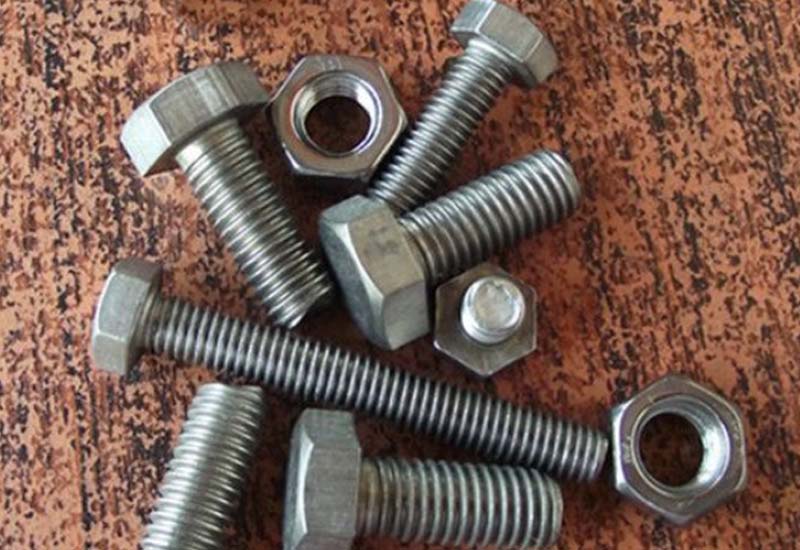
Start with the Working Environment
The first question is not the shape of the part. It is where custom titanium parts will work. Custom titanium parts used in seawater equipment, chemical processing lines, heat exchange systems, orthopedic instruments, outdoor assemblies, and aircraft structures all face different risks. Corrosion, load, temperature, vibration, cleaning method, contact materials, and expected service life should be considered before the grade is selected.
Titanium is valued for its high strength-to-weight ratio and corrosion resistance. For general background on the metal, the titanium overview on Wikipedia is a useful starting point. In real procurement, however, the grade, manufacturing route, and inspection plan decide whether custom titanium parts fit the application.
Select the Right Titanium Grade
Pure titanium grades are often selected when corrosion resistance, formability, and moderate strength are more important than maximum mechanical performance. Grade 1 and Grade 2 are common options for chemical equipment, marine components, and formed structures. Titanium alloy grades, such as Grade 5 or Ti-6Al-4V, are usually selected when custom titanium parts need higher strength, better fatigue performance, or more stable load-bearing capacity.
| Requirement | Common Direction | Specification Note |
|---|---|---|
| Corrosion resistance | Pure titanium, often Grade 1 or Grade 2 | Describe media, concentration, temperature, and cleaning conditions. |
| Higher strength | Titanium alloy, often Grade 5 | Provide load, stress, and assembly information where available. |
| Complex forming | Commercially pure titanium | Confirm bend radius, wall thickness, and surface requirements. |
| Precision machined features | Grade depends on use | Define tolerance, thread, hole, groove, and edge requirements. |
If the project follows a recognized material specification, include it in the inquiry. For example, ASTM B348/B348M covers titanium and titanium alloy bars and billets. Referencing a standard helps both sides align on chemistry, mechanical properties, and documentation expectations.
Match the Manufacturing Route to the Shape
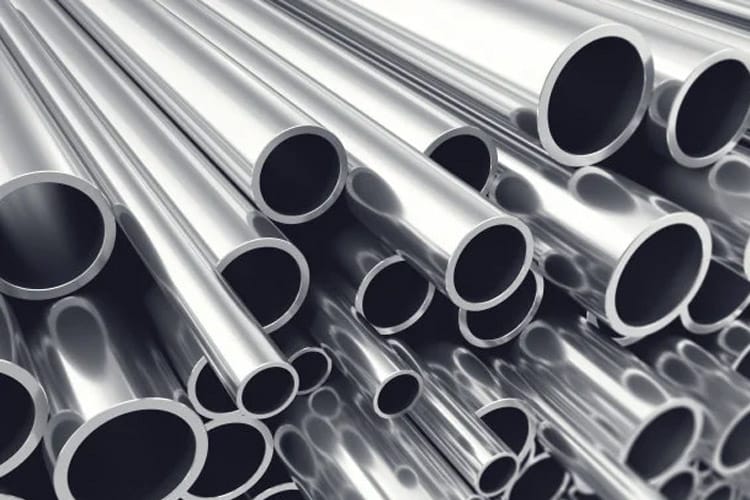
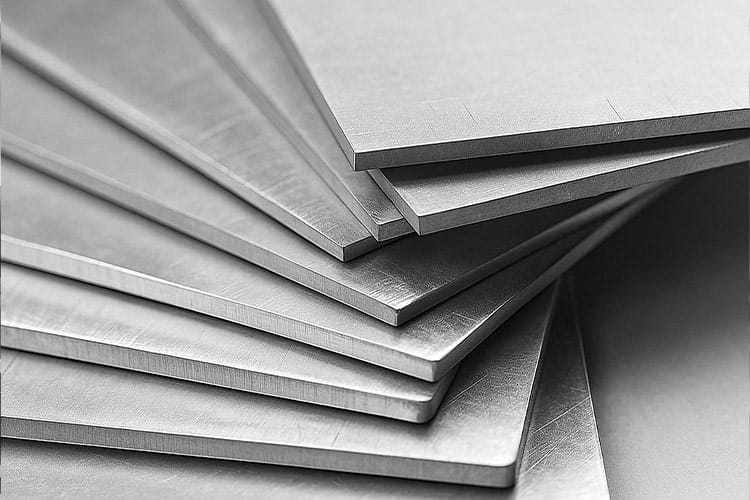
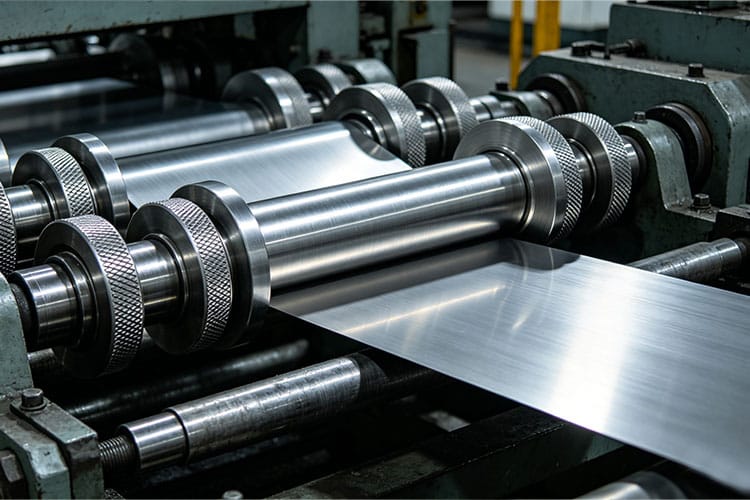
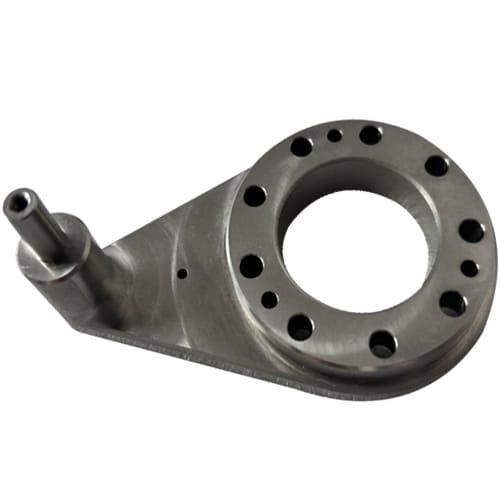
Different shapes require different processes. Flat brackets may start from plate. Round connectors may start from bar. Larger structural blanks may need forging. Special profiles may require forming before CNC machining. For custom titanium parts with asymmetric geometry, deep grooves, thin walls, or multiple threaded holes, the supplier should evaluate how the part will be held, cut, deburred, and inspected.
It is helpful to send 2D drawings, 3D files, samples, and photos together. Drawings define dimensions and tolerances, while photos and samples show functional details that are sometimes missed in a drawing. For repeat orders, keep the revision number clear so future custom titanium parts match the approved version.
Define Tolerances Only Where They Matter
Overly tight tolerances can increase machining time, inspection work, and scrap risk. Under-specified tolerances can create assembly problems. The best approach is to identify functional surfaces first. Hole position, thread fit, sealing surfaces, bearing areas, flatness, concentricity, and mating dimensions should be clearly marked. Non-critical outside dimensions can often use practical general tolerances.
For custom titanium parts used in moving assemblies, the supplier also needs to know mating materials and whether galling, vibration, or repeated assembly is expected. Titanium can behave differently from stainless steel or aluminum during machining and assembly, so thread design, surface finish, and lubrication conditions should not be treated as afterthoughts.
Specify Surface Finish and Edge Treatment
Surface finish affects appearance, corrosion behavior, cleanability, friction, and assembly feel. Common options include machined finish, polishing, brushing, sandblasting, and passivation when appropriate. If custom titanium parts will be visible, handled frequently, cleaned with chemicals, or used near sealing elements, describe the expected surface condition before production begins.
Edges also matter. Sharp edges may be unacceptable for handled components, medical-related instruments, or parts close to cables and seals. On the other hand, excessive rounding can change fit. Clear notes such as “deburr only,” “break sharp edges,” or a specific chamfer size help custom titanium parts arrive closer to the final assembly requirement.
Plan Inspection and Documentation Early
Inspection should match risk. A simple spacer may only need dimensional checks and material confirmation. Load-bearing custom titanium parts may require material certificates, dimensional reports, thread inspection, surface inspection, and traceability records. For regulated or safety-sensitive industries, documentation expectations should be discussed before the order is confirmed.
Buyers should also clarify packaging requirements. Custom titanium parts with polished or precision-machined surfaces should be separated, wrapped, or protected to prevent scratches during transport. For small fasteners, labels should make grade, size, quantity, and batch easy to identify when the goods arrive.
What to Send for a Faster Quotation
A complete custom titanium parts inquiry saves time for both sides. When requesting custom titanium parts, provide the drawing or sample, titanium grade, quantity, application, tolerance level, surface finish, inspection requirements, and delivery expectations. If the grade is not fixed, describe the working environment and the supplier can recommend a practical option.
- 2D drawing, 3D model, sample, or clear product photos
- Material grade or working environment details
- Critical dimensions, tolerance notes, and thread requirements
- Surface finish, deburring, polishing, or passivation needs
- Quantity, batch plan, packaging, and inspection documents
For complex custom titanium parts, it is also useful to explain how the component fits into the larger assembly. This allows the manufacturer to identify possible machining difficulties, suggest material-saving options, and reduce avoidable redesign after the first sample.
Final Thoughts
The best custom titanium parts start with a clear specification, not only a request for a low quote. Grade selection, process route, tolerance control, surface finish, and inspection planning all influence performance. When buyers share application details early, the supplier can provide a more accurate manufacturing solution and reduce uncertainty before production.
Xinfeng Dingyuan supplies titanium materials, titanium fasteners, forged titanium components, and drawing-based custom titanium parts for industrial projects. If your project involves non-standard geometry, corrosive working conditions, or lightweight structural requirements, preparing the details above will make technical communication faster and more reliable.