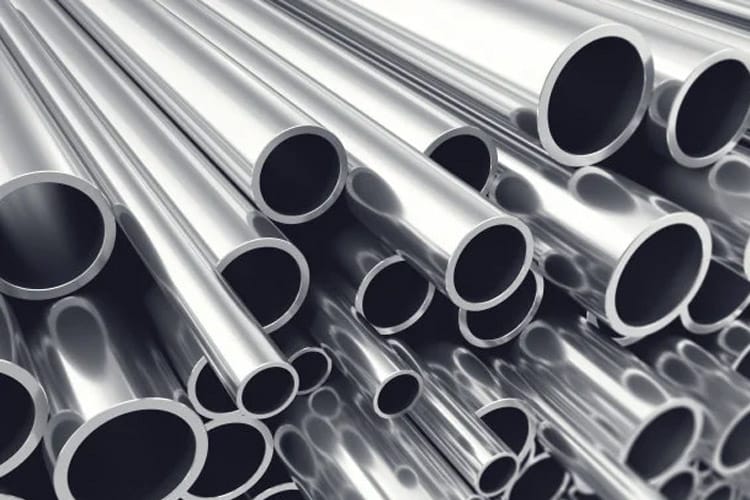
Why Titanium Tubes Are Rapidly Replacing Traditional Steel and Iron Pipes
With the continuous development of modern industries such as aerospace, marine engineering, chemical processing, energy, and high-end manufacturing, traditional iron pipes and steel tubes are no longer able to fully meet the growing demands for lightweight structures, corrosion resistance, high strength, and long-term durability.
As a new-generation high-performance metal material, titanium tubes are increasingly becoming the preferred choice across various industries due to their exceptional comprehensive properties. In many applications, they have already begun replacing conventional steel and iron piping systems.
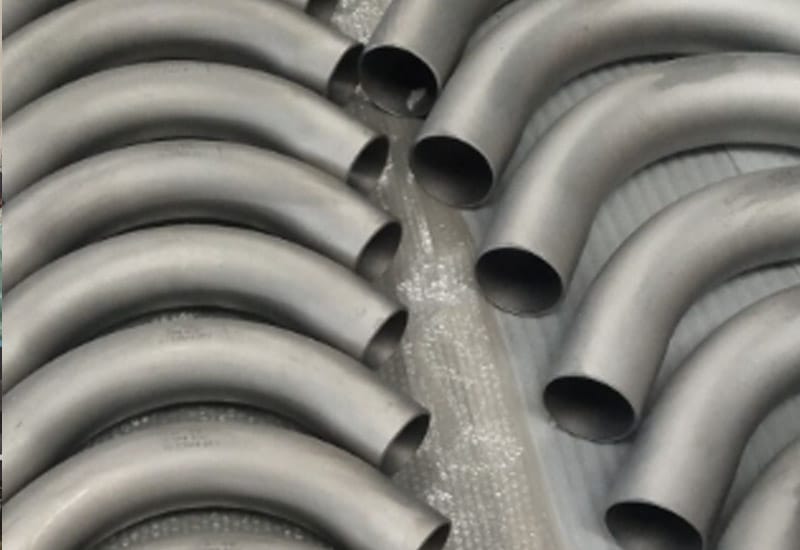
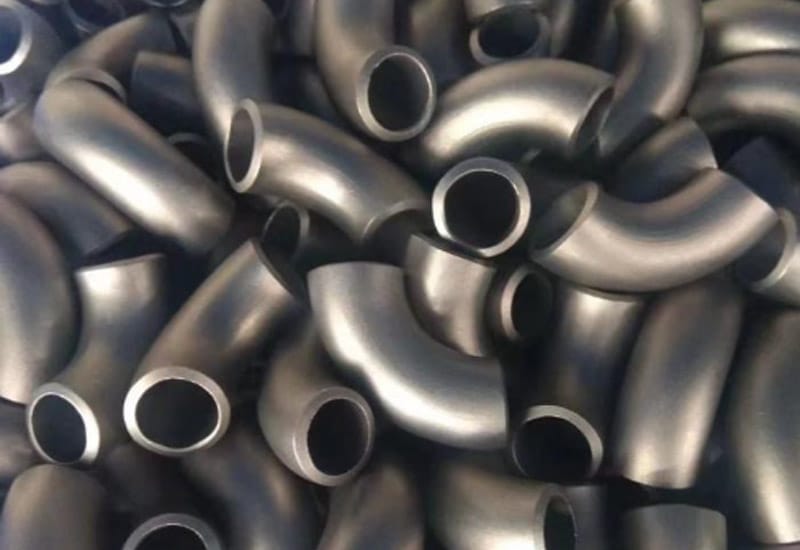
So, what makes titanium tubes stand out in the modern industrial market? Let’s take a closer look at their key advantages.
Key Advantages of Titanium Tubes
1. High Strength-to-Weight Ratio
Titanium alloys have a density of approximately 4.5 g/cm³, which is only about 60% that of steel, while still offering extremely high mechanical strength. Some high-strength titanium alloys even exceed the strength of many alloy steels.
This outstanding strength-to-weight ratio allows titanium tubes to maintain excellent structural performance while significantly reducing overall weight. As a result, they are widely used in industries that require lightweight yet durable materials, including:
- Aerospace
- Shipbuilding
- Automotive manufacturing
- Medical equipment
- Precision engineering
Today, titanium alloys are commonly used in aircraft engine components, airframe structures, fasteners, landing gear systems, and other critical parts.
2. Excellent High-Temperature Resistance
Titanium tubes maintain strong mechanical properties even under elevated temperatures. Compared with aluminum alloys and ordinary steel materials, titanium alloys offer far better heat resistance and thermal stability.
Many titanium alloys can operate continuously at temperatures between 450°C and 500°C while still maintaining high strength levels. In comparison, aluminum alloys experience a significant drop in performance at temperatures above 150°C.
Because of this advantage, titanium tubes are widely used in:
- Aerospace engines
- Heat exchanger systems
- Petrochemical equipment
- Power generation facilities
- High-temperature pipeline systems
Even under demanding high-temperature and high-pressure conditions, titanium tubes continue to deliver stable and reliable performance.
3. Outstanding Corrosion Resistance
One of the most significant advantages of titanium tubes is their exceptional corrosion resistance.
Titanium alloys perform extremely well in humid environments, seawater, acidic media, and chloride-containing conditions. Their corrosion resistance is often superior to stainless steel, especially against:
- Pitting corrosion
- Acid corrosion
- Stress corrosion cracking
- Chloride corrosion
Titanium also demonstrates excellent resistance to nitric acid, sulfuric acid, chlorides, and many chemical substances.
Therefore, titanium tubes are widely applied in:
- Marine engineering
- Seawater desalination
- Chemical processing plants
- Electroplating industries
- Pharmaceutical manufacturing
- Environmental protection systems
Their long service life greatly reduces maintenance costs and equipment downtime.
4. Excellent Low-Temperature Performance
In addition to high-temperature resistance, titanium tubes also maintain excellent mechanical properties under extremely low temperatures.
Certain titanium alloys, such as TA7, can still retain good ductility and toughness even at temperatures as low as -253°C.
This makes titanium alloys highly suitable for:
- LNG systems
- Cryogenic storage equipment
- Aerospace low-temperature systems
- Deep-cooling engineering applications
Compared with traditional steel materials, titanium tubes offer greater reliability and safety in extreme cold environments.
5. High Chemical Activity and Stable Surface Protection
Titanium has high chemical activity and easily reacts with oxygen, nitrogen, and hydrogen to form a dense oxide layer on its surface.
This naturally formed protective film effectively prevents further corrosion and is one of the main reasons why titanium tubes possess such outstanding corrosion resistance.
Titanium tubes are therefore widely used in:
- Chemical equipment
- Vacuum systems
- Precision industrial applications
- High-end processing industries
However, due to titanium’s strong chemical affinity, it can easily adhere to cutting tools during machining, which requires advanced manufacturing processes and higher machining standards.
6. Low Thermal Conductivity and Excellent Overall Performance
Titanium has relatively low thermal conductivity and an elastic modulus approximately half that of steel. Although this increases machining difficulty, it also provides certain advantages such as improved flexibility and fatigue resistance.
Under long-term exposure to harsh environments involving high pressure, corrosion, and temperature fluctuations, titanium tubes continue to maintain stable performance and longer operational life compared with conventional steel or iron pipes.
Broad Future Prospects for Titanium Tubes
As global industries continue moving toward lightweight, energy-efficient, and high-performance manufacturing solutions, the demand for titanium tubes is steadily increasing.
Titanium tubes are now playing an increasingly important role in industries such as:
- Aerospace
- Marine engineering
- Oil & gas
- Chemical processing
- New energy
- Medical devices
- High-end industrial equipment