Table of Contents
- Why Titanium Works Well in Daily-Use Products
- Design Around Strength-to-Weight Ratio
- Consider Comfort and Skin Contact
- Match Manufacturing to Product Shape
- Specify Surface Finish and Appearance
- What Buyers Should Provide for Development
Titanium consumer products are chosen for more than a premium material story. Eyeglass frames, bicycle frames, sports components, outdoor items, and drinkware can benefit from titanium when lightweight strength, corrosion resistance, and long-term appearance are important.
This guide explains why titanium consumer products are attractive to designers, brands, and buyers. It focuses on material benefits, manufacturing considerations, surface finish, and the practical information needed when developing a titanium product.
Why Titanium Works Well in Daily-Use Products
Consumers notice weight, comfort, durability, and surface feel. Titanium consumer products can reduce weight while maintaining useful strength. This is especially valuable for eyeglass frames, bicycle parts, and frequently used handheld products.
Titanium also resists rust and many forms of corrosion. For products exposed to sweat, humidity, outdoor use, or repeated cleaning, titanium consumer products can maintain a stable appearance when properly designed and finished.
Design Around Strength-to-Weight Ratio
The main design advantage is not simply that titanium is strong. It is that designers can use the material to balance strength and weight. Thin frames, lightweight tubes, small brackets, and precision parts can be designed to feel comfortable without looking weak.
For general material background, the titanium overview explains common properties. In product development, titanium consumer products still require careful control of thickness, shape, welding, and finishing.

Consider Comfort and Skin Contact
Eyeglass frames and wearable items require special attention to comfort. Weight distribution, nose pad connection, hinge design, and surface smoothness all affect user experience. Titanium consumer products should be designed so that material benefits translate into daily comfort.
If a product will touch skin for long periods, buyers should specify surface finish, edge treatment, and cleaning requirements clearly. Smooth transitions and controlled edges are often as important as the titanium grade.
Match Manufacturing to Product Shape
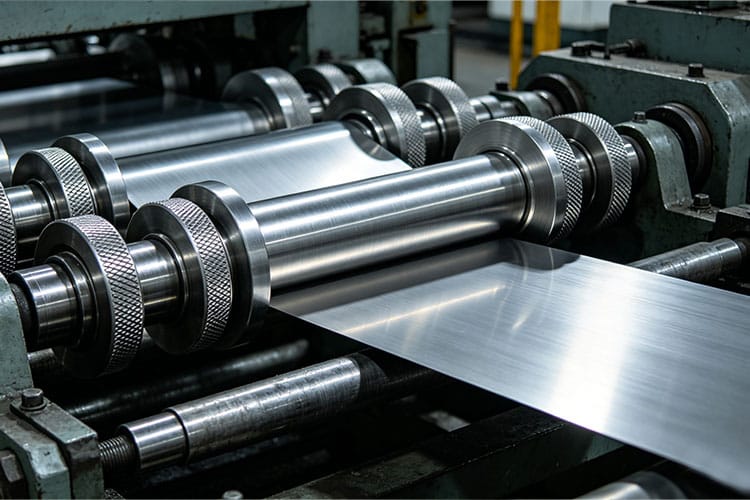
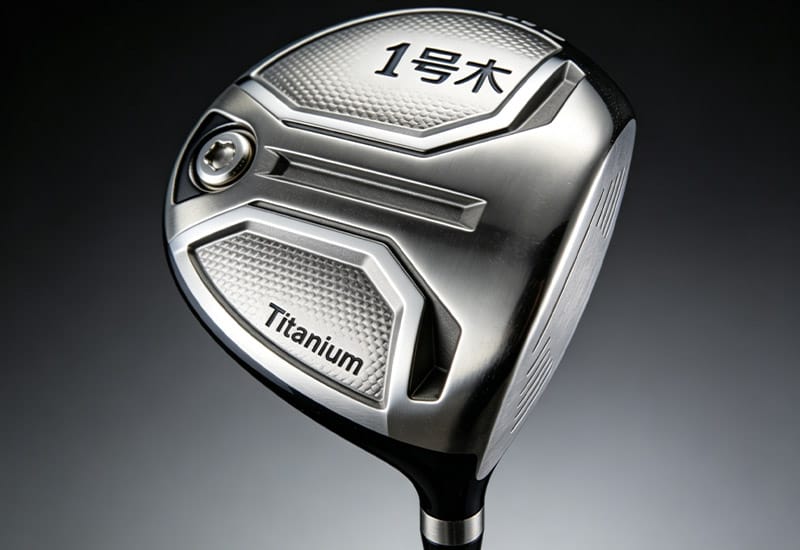
Different titanium consumer products require different manufacturing routes. Bicycle frames may involve tube preparation and welding. Eyeglass frames may require wire, sheet, machining, forming, and polishing. Sports components may need forging or CNC machining.
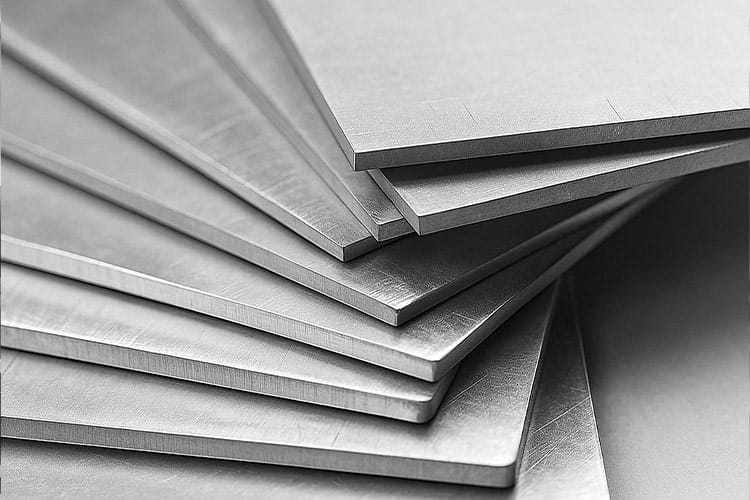
A good drawing should show dimensions, tolerances, surface areas, joint details, and visible faces. Early discussion with the supplier helps identify whether the product should start from sheet, wire, tube, bar, or forged blank.
| Decision Area | What to Check | Why It Matters |
|---|---|---|
| User comfort | Weight, touch, skin contact, balance | Important for products handled or worn daily |
| Durability | Corrosion resistance and fatigue behavior | Supports long-term appearance and use |
| Manufacturing | Forming, machining, welding, polishing | Controls product quality and consistency |
| Design detail | Thickness, joint shape, surface finish | Affects both function and visual appeal |
Specify Surface Finish and Appearance
Appearance matters in consumer products. Brushed, polished, sandblasted, anodized, or machined finishes create different visual effects and handling feel. Titanium consumer products should have finish requirements defined before sampling, especially when color, texture, or visible marks matter.
Packaging should also protect the final surface. A well-finished product can lose value if it is scratched during transport. Separate wrapping, clean packing, and clear labels help preserve titanium consumer products before assembly or retail preparation.
What Buyers Should Provide for Development
A complete development inquiry includes product drawings, sample photos, titanium grade preference, surface finish, quantity, tolerance level, packaging requirement, and intended user environment. If the design is still early, explain the target function and let the supplier suggest a practical manufacturing route.
Titanium consumer products succeed when design and manufacturing are planned together. With clear requirements, titanium can support lightweight, durable, and refined products across eyewear, cycling, sports, outdoor, and lifestyle applications.
Procurement Checklist for Better Results
Before developing titanium consumer products, define the user experience as clearly as the material grade. Weight, touch, balance, edge smoothness, and visible finish all influence whether the final product feels refined in daily use.
Send drawings, reference samples, surface expectations, and packaging needs at the same time. Titanium consumer products often require both manufacturing accuracy and appearance control, so the supplier should understand which surfaces are visible and which dimensions are functional.
For sampling, review comfort and finish before increasing quantity. Titanium consumer products can offer strong market appeal, but only when design details, polishing, assembly, and protective packaging are managed consistently.
Additional Planning Notes
Early samples should be reviewed by both technical and commercial teams. A product may meet the drawing but still need changes in feel, balance, polishing direction, or packaging presentation. Recording this feedback makes the next sample round faster and more focused.
For larger programs, document each sample review with photos and written notes. This prevents repeated discussions about the same details and gives the factory a clear record of approved appearance, packing, and functional expectations.
This final review supports smoother repeat ordering.