La solicitud de un componente de titanio a menudo comienza con una pregunta sobre el material.
Un comprador puede solicitar una placa de titanio de Grado 5, un bloque de titanio o un tamaño específico de materia prima. Pero una vez revisado el dibujo, queda claro que el material en sí es sólo una parte del proyecto.
El verdadero requisito puede ser un soporte terminado con orificios roscados, un componente mecanizado con precisión con tolerancias estrictas o una pieza de titanio resistente a la corrosión lista para ensamblar.
Eso cambia la conversación.
Para componentes de aleación de titanio personalizados, la pregunta más importante no es simplemente qué material de titanio está disponible. Así es como se debe fabricar la pieza terminada.
El material de partida, el margen de mecanizado, la geometría de la pieza, el grado de titanio y la cantidad de producción pueden afectar el costo final y la ruta de fabricación.
En Xinfeng Dingyuan, los proyectos basados en dibujos pueden comenzar con una revisión del componente terminado en lugar de simplemente solicitar una pieza estándar de titanio. Dependiendo del diseño, el punto de partida más práctico puede ser una placa de titanio, una barra, un bloque, una forja u otra pieza en bruto preparada a medida.
Tabla de contenidos
¿qué son los componentes de aleación de titanio personalizados?
Los componentes de aleación de titanio personalizados son piezas fabricadas de acuerdo con el dibujo, las dimensiones o los requisitos técnicos del cliente.
A diferencia de los materiales de titanio estándar suministrados en formas fijas, estos componentes se producen para una aplicación específica. El proceso de fabricación puede incluir preparación de materiales, corte, mecanizado CNC, perforación, roscado, acabado e inspección.
La pieza terminada puede variar desde un componente de montaje relativamente simple hasta una pieza compleja de precisión con múltiples superficies críticas.
Lo que hace que el proyecto sea “personalizado” no es simplemente la forma de la pieza. Es el hecho de que el material y el proceso de fabricación se seleccionan en función de los requisitos del componente terminado.
Por ejemplo, un cliente puede necesitar una pieza de titanio con:
- Tolerancias dimensionales estrictas
- Múltiples orificios roscados
- Bolsillos profundos o características internas
- Cerințe specifice de suprafață
- Alta resistencia a la corrosión
- Alta resistencia mecánica
- Certificación o trazabilidad de materiales
Esos requisitos influyen en cómo se debe producir el componente.
Comience con el dibujo, no con el tamaño del material
Un error de abastecimiento común es elegir la materia prima antes de revisar la pieza terminada.
Imagine un componente con un espesor acabado de 20 mm. Si ambas superficies requieren mecanizado, es posible que pedir una placa de titanio de 20 mm no proporcione suficiente material para el proceso final.
La pieza en bruto necesita margen de mecanizado.
Lo mismo se aplica a la longitud y anchura del material de partida.
Un dibujo de una pieza terminada puede proporcionar información que una simple consulta material no puede:
| Información de dibujo | Por qué es importante para la fabricación |
|---|---|
| Dimensiones generales | Ayuda a determinar el tamaño del material de partida |
| Tolerancias | Afecta los requisitos de mecanizado e inspección |
| Ubicaciones de agujeros | Determina las operaciones y configuración de mecanizado |
| Hilos | Puede requerir herramientas e inspecciones específicas |
| Acabado superficial | Influye en el proceso de fabricación final |
| Grado de material | Determina las propiedades del material y la maquinabilidad |
| Geometría parcial | Ayuda a seleccionar placa, barra, bloque o forjado |
| Cantidad de producción | Puede cambiar la ruta de fabricación más eficiente |
Por este motivo, los clientes se abastecen productos de titanio personalizados generalmente es mejor enviar el dibujo terminado al comienzo del proyecto.
Luego, la forma del material se puede seleccionar alrededor del componente en lugar de obligarlo a ajustarse a una pieza estándar.
Elegir el material de partida adecuado
El titanio se puede suministrar de muchas formas, pero no todas tienen sentido para cada componente.
La geometría de la pieza terminada suele ser uno de los mejores puntos de partida a la hora de elegir el material.
| Material de partida | Mejor adecuado para | Ventaja principal | Qué considerar |
|---|---|---|---|
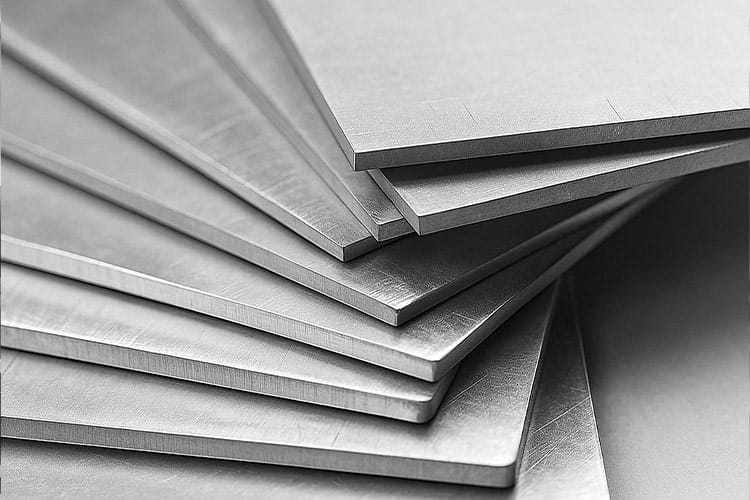
| Placa de titanio | Piezas planas, soportes y componentes estructurales | Dimensiones flexibles y fácil preparación en blanco | Puede generar más desechos para piezas gruesas o complejas |
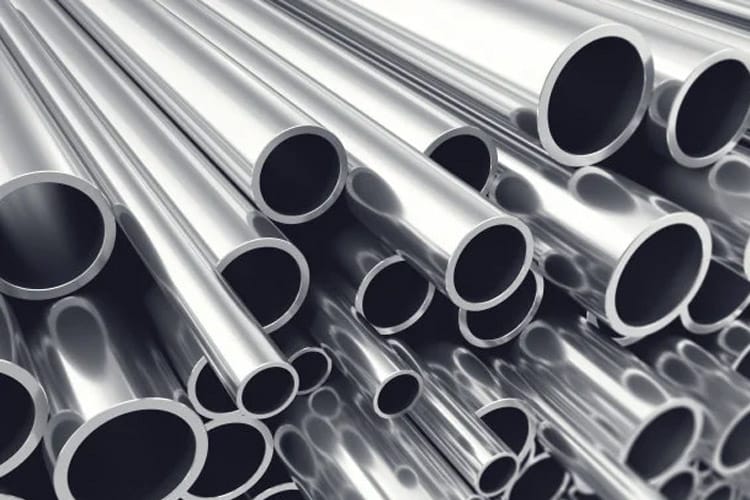
| Barra de titanio | Partes redondas o cilíndricas | Mejor utilización del material para determinadas geometrías | Limitado por los tamaños de stock disponibles |
| Bloque de titanio | Componentes gruesos de precisión | Adecuado para mecanizado CNC sustancial | Puede aumentar el uso de materia prima |
| Forja de titanio | Piezas complejas o de alta resistencia | Puede reducir el volumen de mecanizado | Mejor adaptado a geometrías específicas y requisitos de producción |
| Blanco personalizado | Componentes basados en dibujos | Se puede preparar más cerca de la forma final | Requiere planificación específica del proyecto |
La opción correcta no es necesariamente la materia prima más barata.
Es el que hace más eficiente todo el proceso de fabricación.
Cuando la placa de titanio es el mejor punto de partida
La placa de titanio es un material de partida práctico para muchos componentes personalizados, especialmente aquellos con un perfil relativamente plano.
Las aplicaciones típicas incluyen:
- Placas de montaje
- Componentes del equipo
- Partes estructurales
- Soportes personalizados
- Componentes planos de precisión
- Piezas industriales mecanizadas por CNC
Para estas aplicaciones, es necesario considerar el espesor de la placa de titanio junto con el proceso de mecanizado final.
Un componente que termina con un espesor específico puede requerir material adicional para mecanizado, rectificado o preparación de superficies.
La planitud también puede importar.
Si una placa grande se mecaniza en componentes de precisión, la condición inicial del material puede afectar la configuración y la eficiencia del mecanizado.
Aquí es donde Placas de titanio naturalmente, puede convertirse en parte de un proyecto de fabricación personalizado.
En lugar de comprar una placa estándar y organizar un procesamiento por separado, el cliente puede proporcionar el dibujo terminado y analizar el tamaño en blanco requerido antes de que comience la producción.
Para componentes planos simples, la placa puede ser la opción más eficiente. Para una pieza gruesa o muy compleja, otro material de partida puede tener más sentido.
Cuando la barra, el bloque o la forja tienen más sentido
Una placa de titanio es versátil, pero no siempre es el punto de partida más eficiente.
Considere un componente redondo grueso mecanizado a partir de una placa rectangular grande.
Se puede eliminar una cantidad significativa de titanio antes de que la pieza terminada tome forma.
El material eliminado representa tanto desperdicio de material como tiempo de mecanizado.
Para ciertos componentes, comenzar con una barra o bloque de titanio puede proporcionar una mejor utilización del material.
Para otros, particularmente piezas con espesor sustancial o geometría más compleja, puede valer la pena considerar una forja de titanio o una pieza en bruto personalizada.
La diferencia puede ser significativa.
| Enfoque de fabricación | Ventaja potencial | Limitación potencial |
|---|---|---|
| Máquina de placa estándar | Flexible y adecuado para muchas piezas planas | Mayor eliminación de material para algunas formas |
| Máquina de barra o bloque | La geometría inicial puede estar más cerca de la pieza terminada | Menos flexible para determinados perfiles |
| Utilice una forja | Puede reducir el volumen de mecanizado de piezas adecuadas | Puede requerir una ruta de producción más especializada |
| Utilice un espacio en blanco personalizado | Optimizado en torno al diseño de componentes | Requiere planificación adicional antes del mecanizado |
Es por eso que el dibujo terminado debe guiar la ruta de fabricación.
Para componentes de aleación de titanio personalizados, la selección de materias primas y el mecanizado no deben tratarse como decisiones completamente separadas.
Seleccionar el grado de titanio adecuado
El grado de titanio debe coincidir con la aplicación del componente terminado.
Un material de mayor calidad o más caro no es automáticamente la mejor opción.
Titanio grado 2
El grado 2 se usa ampliamente donde la resistencia a la corrosión y las buenas características de fabricación son importantes.
Las aplicaciones típicas incluyen:
- Equipos de procesamiento químico
- Componentes marinos
- Piezas industriales resistentes a la corrosión
- Equipos fabricados en titanio
Para un componente expuesto a un ambiente corrosivo sin cargas mecánicas extremas, el Grado 2 puede ser una opción práctica.
Titanio grado 5
El grado 5, también conocido como Ti-6Al-4V, se selecciona comúnmente cuando se requiere mayor resistencia mecánica.
Es ampliamente utilizado para:
- Piezas mecanizadas con precisión
- Componentes estructurales
- Maquinaria de alto rendimiento
- Componentes portantes
- Aplicaciones relacionadas con el sector aeroespacial
El grado 5 también requiere un cuidadoso control del mecanizado. El calor, el acoplamiento de la herramienta y la rigidez pueden influir en el rendimiento del mecanizado y la calidad de la superficie.
Titanio grado 23
Grado 23, o Ti-6Al-4V ELI, se asocia comúnmente con aplicaciones que requieren características de materiales más controladas.
Se utiliza con frecuencia para componentes médicos y otros componentes de alto rendimiento.
Sin embargo, para proyectos médicos, la ley es sólo una parte del requisito. También es posible que sea necesario considerar la trazabilidad del material, la documentación, la precisión dimensional y los requisitos de la superficie.
| Grado de titanio | Fuerza principal | Aplicaciones comunes |
|---|---|---|
| Grado 2 | Resistencia a la corrosión y conformabilidad | Equipos químicos, marinos e industriales |
| Grado 5 | Alto rendimiento resistencia-peso | Precisión y componentes estructurales |
| Grado 23 | Características del material controlado | Componentes médicos y de alto rendimiento |
Se debe seleccionar la calidad correcta según la pieza terminada y su entorno operativo.
Desde titanio crudo hasta un componente personalizado terminado
Una vez seleccionados el material y la forma inicial, el proceso de fabricación puede avanzar.
La ruta exacta varía de un proyecto a otro, pero la mayoría componentes de aleación de titanio personalizados sigue una secuencia similar.
Preparación de materiales
El primer paso es preparar el material de titanio hasta un tamaño inicial adecuado.
Para un componente plano, esto puede implicar cortar una placa de titanio en espacios en blanco.
Para un componente más grueso, el material de partida puede ser una barra, un bloque o una forma preparada a medida.
El objetivo es dejar suficiente material para el mecanizado sin generar residuos innecesarios.
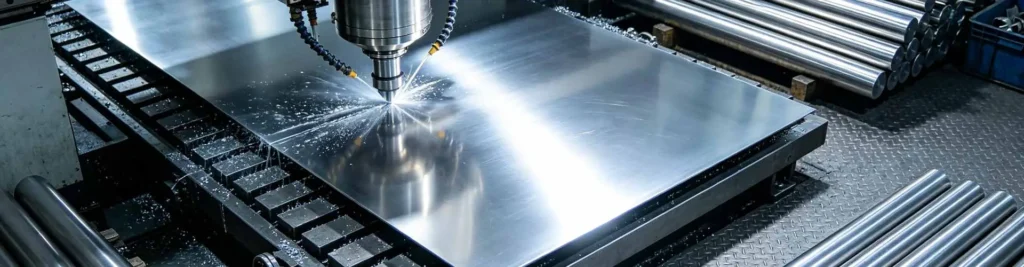
Mecanizado CNC
El método de mecanizado depende de la geometría de la pieza.
Algunos componentes sólo requieren fresado, taladrado y roscado convencionales.
Otros pueden requerir mecanizado de múltiples ejes para alcanzar superficies complejas y mantener la precisión dimensional.
El mecanizado con titanio requiere atención al control del proceso porque el material puede concentrar calor en la zona de corte. La selección de herramientas, los parámetros de corte y la rigidez de la máquina influyen en la calidad del componente terminado.
Acabado de superficies
No todas las piezas de titanio personalizadas requieren la misma condición de superficie.
Dependiendo de la aplicación, el componente terminado puede necesitar:
- Superficies mecanizadas estándar
- Pulido
- Arenado
- Rugosidad superficial controlada
- Otros acabados específicos de la aplicación
Siempre que sea posible, el acabado requerido debe definirse antes de la producción.
Inspección
Los requisitos de inspección deben reflejar las necesidades reales del componente.
Esto puede incluir:
- Medición dimensional
- Inspección de roscas
- Verificación de características críticas
- Inspección de superficies
- Certificación de materiales
- Trazabilidad por lotes
Para componentes de titanio médicos o de alta precisión, es particularmente importante aclarar estos requisitos antes de que comience la producción.
Por qué es importante la utilización de materiales en la fabricación de titanio
Al comparar cotizaciones de un componente de titanio personalizado, el precio de la materia prima es sólo una parte del costo total.
La cantidad de titanio eliminada durante el mecanizado también puede marcar una diferencia significativa.
Una placa rectangular de titanio puede resultar económica como material de partida, pero si es necesario mecanizar la mayor parte, el componente terminado puede volverse más caro de lo esperado.
Una forma inicial diferente puede costar más por kilogramo al mismo tiempo que se reduce:
- Desechos materiales
- Tiempo de mecanizado
- Consumo de herramientas
- Tiempo de producción
Por esta razón, la ruta total de fabricación suele ser más importante que el precio del titanio en bruto únicamente.
| Factor de costo | Por qué es importante |
|---|---|
| Materia prima | Afecta el costo inicial del proyecto |
| Utilización de materiales | Determina cuánto titanio se convierte en la pieza terminada |
| Tiempo de mecanizado | Puede influir significativamente en el costo de producción |
| Herramientas | El mecanizado de titanio puede aumentar los requisitos de herramientas |
| Preparación en blanco | Una mejor forma inicial puede reducir el trabajo de mecanizado |
| Inspección | Los requisitos de precisión pueden agregar pasos de fabricación |
| Cantidad de producción | Volúmenes mayores pueden justificar una ruta de producción diferente |
El objetivo no es simplemente comprar titanio al precio más bajo.
Es fabricar el componente terminado de manera eficiente.
Cómo la cantidad de producción puede cambiar el método de fabricación
La cantidad de componentes necesarios puede influir en la mejor ruta de fabricación.
Para un prototipo o una producción pequeña, mecanizar directamente a partir de una placa, barra o bloque de titanio estándar puede ser la opción más práctica.
Para repetir la producción, el proyecto puede beneficiarse de una forma inicial más optimizada.
Eso podría incluir:
- Blancos personalizados
- Formas iniciales forjadas
- Tamaños de corte optimizados
- Accesorios dedicados
Una pieza que es económica de mecanizar una a la vez puede requerir un enfoque diferente cuando se produce en mayores cantidades.
Es por ello que la cantidad requerida siempre debe incluirse en una solicitud de cotización.
Le da al fabricante una imagen más clara de cómo se producirá el componente.
Componentes de titanio personalizados para equipos industriales
El titanio se selecciona para componentes industriales por diferentes motivos.
En el procesamiento químico, la resistencia a la corrosión puede ser la principal prioridad.
En equipos marinos, la exposición prolongada al agua de mar puede influir en la selección de materiales.
En maquinaria de precisión, la resistencia, la precisión dimensional y la confiabilidad de los componentes pueden ser más importantes.
El proceso de fabricación debe reflejar estas diferencias.
Un componente de Grado 2 resistente a la corrosión puede requerir una ruta de producción muy diferente a la de una pieza de precisión de Grado 5 de alta resistencia.
Es por eso que la información de la solicitud es valiosa al solicitarla productos de titanio personalizados.
El dibujo muestra cómo se ve la pieza.
La aplicación explica qué debe hacer la pieza.
Juntos, proporcionan una base mucho mejor para la selección de materiales y la planificación de la fabricación.
Componentes de aleación de titanio personalizados para aplicaciones médicas
Los componentes médicos de titanio requieren atención adicional porque la pieza terminada puede tener requisitos más allá de las dimensiones básicas.
Dependiendo de la aplicación, el proyecto puede implicar:
- Grados específicos de titanio
- Trazabilidad material
- Requisitos de superficie
- Tolerancias de precisión
- Documentație de inspecție
- Estándares específicos de la aplicación
Por lo tanto, un componente médico de titanio debería revisarse como un proyecto de fabricación completo.
Para los clientes que desarrollan piezas médicas basadas en dibujos, es útil proporcionar los requisitos de material y cualquier documentación relevante o expectativas de inspección al principio.
Esto permite planificar el proceso de fabricación en torno a la aplicación prevista en lugar de tratar la pieza como un componente industrial general.
La gama de productos de Xinfeng Dingyuan incluye Componentes médicos de titanio así como productos de titanio personalizados, permitiendo evaluar diferentes tipos de proyectos de titanio según sus requisitos de material y fabricación.
¿qué debe enviar para obtener una cotización personalizada de componentes de titanio?
No es necesario que una solicitud de cotización detallada sea complicada.
Unos pocos datos pueden hacer que el proceso de cotización sea mucho más eficiente.
| Información para proporcionar | Cómo ayuda |
|---|---|
| Dibujo 2D | Define dimensiones, tolerancias y requisitos técnicos |
| Modelo 3D | Ayuda a evaluar geometría compleja |
| Grado de material | Determina la selección de materiales |
| Cantidad | Influye en la ruta de fabricación |
| Requisito de superficie | Define las operaciones de acabado |
| Aplicación | Ayuda a evaluar si el material es adecuado |
| Necesidades de certificación | Aclara los requisitos de documentación y trazabilidad |
Si no está seguro del mejor grado de titanio o material de partida, proporcionar los detalles de la aplicación suele ser más útil que hacer una suposición.
Un dibujo combinado con información sobre el entorno de trabajo puede proporcionar un punto de partida sólido para una revisión de fabricación.
Cómo Xinfeng Dingyuan apoya proyectos de titanio personalizados
Para un componente de titanio personalizado, la fabricación comienza antes de la primera operación de mecanizado.
Es necesario considerar la forma del material, el tamaño del espacio en blanco y la ruta de producción.
Xinfeng Dingyuan trabaja con materiales de titanio, placas de titanio y componentes de aleación de titanio personalizados para proyectos basados en dibujo.
Dependiendo de la geometría y aplicación, el punto de partida puede ser una placa de titanio, barra, bloque, forja u otra forma más adecuada a la pieza terminada.
Esto permite evaluar el proyecto desde la perspectiva del componente final en lugar de simplemente citar una pieza estándar de materia prima.
Para algunos proyectos, la placa de titanio será el punto de partida más práctico.
Para otros, elegir una forma de material diferente puede reducir el mecanizado innecesario y mejorar la utilización del material.
El objetivo es el mismo: seleccionar una ruta de fabricación que tenga sentido para el componente terminado.
Preguntas frecuentes
¿qué son los componentes de aleación de titanio personalizados?
Los componentes de aleación de titanio personalizados son piezas fabricadas de acuerdo con los dibujos, dimensiones o requisitos técnicos del cliente. Pueden producirse a partir de placas, barras, bloques, forjas u otras formas de materiales de titanio, según la pieza terminada.
¿Se pueden fabricar piezas de titanio personalizadas a partir de placas de titanio?
Sí. La placa de titanio se utiliza comúnmente como material de partida para componentes planos, estructurales y mecanizados por CNC. Las dimensiones iniciales deben incluir un margen de mecanizado adecuado.
¿qué grado de titanio se utiliza comúnmente para piezas mecanizadas personalizadas?
El grado 5 se selecciona comúnmente para componentes de precisión de alta resistencia, mientras que el grado 2 se usa ampliamente para aplicaciones industriales resistentes a la corrosión. Es posible que se requiera grado 23 para ciertos componentes médicos y de alto rendimiento.
¿es siempre mejor forjar titanio que mecanizar a partir de placas?
No. El mejor material de partida depende de la geometría, la cantidad, los requisitos de rendimiento y la ruta general de fabricación. La placa de titanio puede ser ideal para componentes planos, mientras que una pieza en bruto forjada o personalizada puede ser más eficiente para piezas más gruesas o complejas.
¿Qué archivos debo proporcionar para una pieza de titanio personalizada?
Un dibujo 2D es útil para dimensiones y tolerancias, mientras que un modelo 3D puede ayudar con una geometría compleja. También se deben proporcionar grados de materiales, cantidades, requisitos de superficie y necesidades de certificación cuando estén disponibles.
Pensamientos finales
El mejor componente de titanio personalizado no siempre comienza con el mismo material.
Una placa de titanio puede ser ideal para un diseño, mientras que una barra, un bloque, una forja o una pieza en bruto preparada a medida pueden ser más eficientes para otro.
La clave es empezar con la pieza terminada y trabajar hacia atrás.
Al revisar juntos el dibujo, los requisitos de materiales, la aplicación y la cantidad de producción, resulta más fácil elegir una ruta de fabricación que equilibre la utilización de materiales, los requisitos de mecanizado y el rendimiento de los componentes.
Si obtiene componentes de aleación de titanio personalizados, Xinfeng Dingyuan puede revisar los requisitos de su dibujo y proyecto para ayudarlo a identificar un material de partida y un enfoque de fabricación adecuados.
Ya sea que el proyecto comience con una placa de titanio u otra forma de material de titanio, el objetivo es entregar un componente que esté listo para la siguiente etapa de producción.