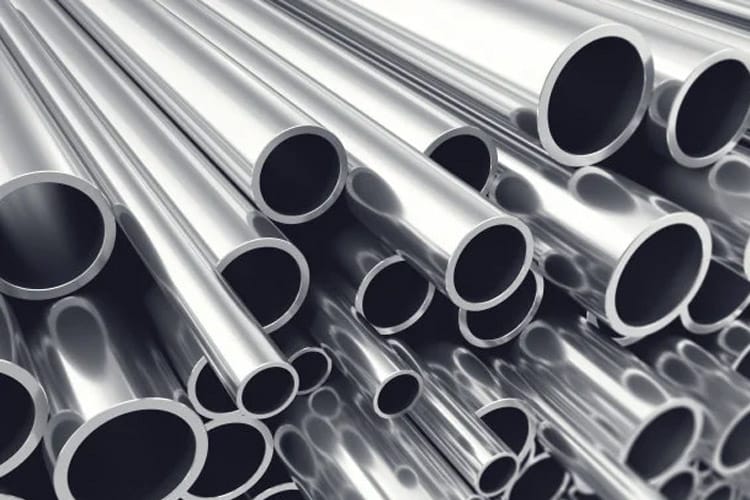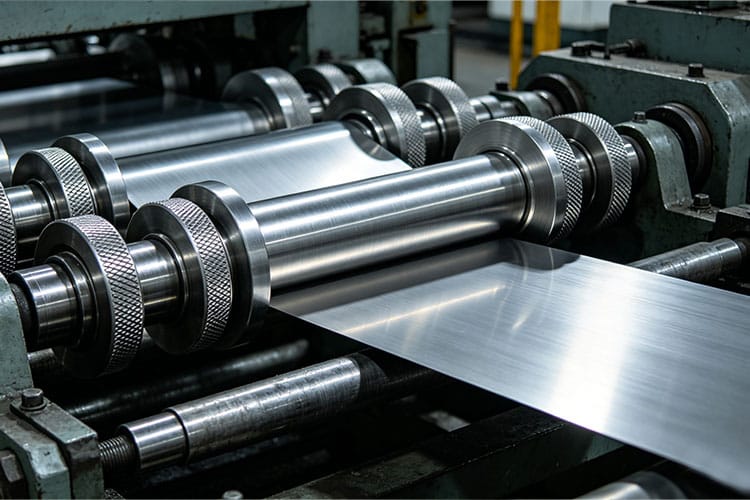
La placa de titanio a menudo se compra como materia prima, pero en muchos proyectos, la placa en sí es sólo el primer paso.
Es posible que un cliente necesite un componente de equipo resistente a la corrosión, una pieza de montaje mecanizada con precisión, un soporte estructural o un pieza de titanio personalizada producido a partir de un dibujo técnico. En cada caso, la placa de titanio puede servir como material de partida antes de cortarla, mecanizarla, formarla o procesarla posteriormente.
La cuestión importante no es simplemente dónde se puede utilizar la placa de titanio. Es si la placa es la forma inicial correcta para el componente que se fabrica.
Para piezas relativamente planas, componentes estructurales y productos mecanizados CNC personalizados, placas de titanio puede ofrecer un equilibrio práctico entre la disponibilidad de materiales y la flexibilidad de fabricación. Sin embargo, para piezas más gruesas o más complejas, otra forma inicial puede reducir el tiempo de mecanizado y el desperdicio de material.
Comprender estas diferencias ayuda a los compradores a tomar mejores decisiones materiales antes de que comience la producción.
En Xinfeng Dingyuan, la placa de titanio se puede suministrar como producto material o como punto de partida para la extracción productos de titanio personalizados y componentes de precisión.
Tabla de contenidos
Qué es Placa de titanio ¿comúnmente utilizado para?
La placa de titanio se utiliza en industrias donde la resistencia a la corrosión, la resistencia, la reducción de peso o la confiabilidad del material son importantes.
Sus aplicaciones van desde grandes equipos industriales hasta componentes mecanizados con precisión relativamente pequeños. La misma placa también se puede procesar de diferentes maneras según el producto terminado.
| Área de aplicación | Cómo se utiliza la placa de titanio | Proceso de fabricación típico |
|---|---|---|
| Procesamiento químico | Piezas de equipos resistentes a la corrosión | Corte, conformado, soldadura |
| Equipo marino | Componentes expuestos al agua de mar | Corte, mecanizado, fabricación |
| Maquinaria industrial | Partes estructurales y funcionales | mecanizado CNC |
| Echipamente de transfer de cald | Placas de titanio y componentes personalizados | Corte, conformado, soldadura |
| Fabricación de precisión | Componentes de máquinas basados en dibujo | Mecanizado y acabado CNC |
| Fabricación relacionada con la medicina | Componentes de titanio personalizados | Mecanizado e inspección de precisión |
| Equipos energéticos | Piezas resistentes a la corrosión o de alto rendimiento | Mecanizado y fabricación |
La combinación de resistencia a la corrosión, resistencia y densidad relativamente baja del titanio lo hace útil en aplicaciones de ingeniería exigentes. Las características del material y las especificaciones estándar para el titanio y las aleaciones de titanio también están cubiertas por organizaciones como ASTM Internacional.
La aplicación determina más que el grado del titanio. También puede afectar el espesor de la placa, los requisitos de la superficie, las dimensiones iniciales y el tipo de procesamiento requerido.
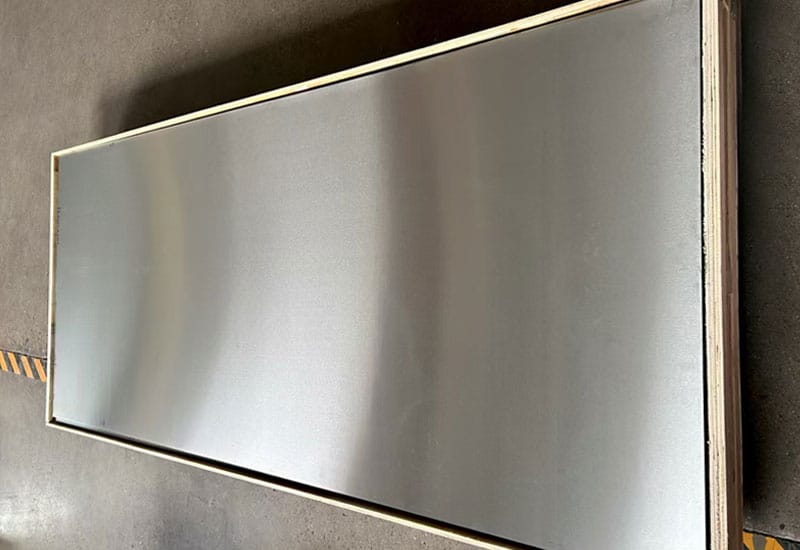
Placa de titanio para equipos de procesamiento químico
Uno de los más establecidos aplicaciones de placas de titanio está en procesamiento químico.
Muchos entornos químicos son difíciles para los metales convencionales. Dependiendo del medio, la temperatura y las condiciones de funcionamiento, la corrosión puede acortar la vida útil de los equipos y aumentar los requisitos de mantenimiento.
A menudo se considera el titanio debido a su resistencia a la corrosión. La placa de titanio se puede utilizar para fabricar:
- Equipos de procesamiento químico
- Tanques y embarcaciones
- Revestimientos de equipos
- Componentes del sistema de reacción
- Piezas del intercambiador de calor
- Estructuras fabricadas resistentes a la corrosión
Para estas aplicaciones, la selección del material debe basarse en el entorno de servicio real.
Una descripción general como “uso químico” no suele ser suficiente. El medio, la concentración, la temperatura y las condiciones de funcionamiento pueden influir en el grado de titanio más adecuado.
El grado 2 se utiliza comúnmente en muchas aplicaciones industriales resistentes a la corrosión, mientras que otros entornos pueden requerir una especificación de titanio diferente. Los compradores también pueden consultar ASTM B265, una especificación ampliamente reconocida que cubre tiras, láminas y placas de titanio y aleaciones de titanio.
Para componentes fabricados, el proceso de fabricación puede implicar cortar, formar y soldar después de que se haya preparado la placa de titanio.
Placa de titanio en aplicaciones marinas y de agua de mar
Los equipos marinos presentan otro entorno donde la resistencia a la corrosión puede ser un factor importante.
La exposición al agua de mar puede ser un desafío para muchos metales, particularmente cuando se espera que los componentes funcionen durante largos períodos con un mantenimiento limitado.
La placa de titanio se puede utilizar para producir:
- Componentes de equipos marinos
- Piezas de manipulación de agua de mar
- Componentes de bomba y sistema
- Elementos estructurales
- Piezas personalizadas resistentes a la corrosión
El componente terminado puede comenzar como una placa de titanio estándar antes de ser cortado o mecanizado según el diseño.
Para piezas relativamente planas, la placa puede ser un material de partida eficaz. Sin embargo, para un componente grueso o cilíndrico, el mecanizado a partir de placas puede no ser la opción más práctica.
Esta distinción es importante para proyectos personalizados porque la forma de material más barata no siempre es la ruta de fabricación de menor costo.
Placa de titanio para piezas mecanizadas CNC personalizadas
Uno de los usos más importantes de la placa de titanio es como material de partida para componentes mecanizados personalizados.
Una placa se puede cortar en espacios en blanco y luego mecanizar en piezas con dimensiones, orificios, roscas, bolsillos y requisitos de superficie específicos.
Ejemplos típicos incluyen:
- Placas de montaje
- Componentes de la máquina
- Soportes estructurales
- Piezas planas de precisión
- Interfaces de equipos
- Componentes industriales personalizados
Para estas piezas, las dimensiones de la placa inicial no deben coincidir simplemente con las dimensiones terminadas en el dibujo.
Es posible que se requiera un margen de mecanizado.
Si el componente terminado requiere mecanizado en múltiples superficies, el material de partida debe proporcionar suficiente material para la eliminación del material. Lo mismo se aplica a la longitud y la anchura.
Una pieza en bruto preparada adecuadamente puede reducir el mecanizado innecesario y hacer que el proceso de producción sea más fácil de controlar.
Aquí es donde la placa de titanio se conecta estrechamente componentes de aleación de titanio personalizados.
La placa no es necesariamente el producto final. Se puede seleccionar y preparar según las dimensiones y requisitos de fabricación de la pieza que se necesita producir.
Cuando la placa de titanio es el material de partida adecuado
La placa de titanio es generalmente una buena opción cuando la pieza terminada tiene una geometría relativamente plana o similar a una placa.
También puede funcionar bien cuando el componente requerido se puede cortar eficientemente de una placa más grande antes del mecanizado.
| Característica de la parte | ¿es la placa de titanio una buena opción de partida? | Razón |
|---|---|---|
| Componente plano | Sí | La geometría de la placa ya está cerca de la forma terminada |
| Soporte de montaje | A menudo | Los espacios en blanco se pueden cortar de manera eficiente antes del mecanizado |
| Placa estructural | Sí | Requiere eliminación limitada de material |
| Componente de precisión fina | A menudo | Un espesor adecuado puede reducir el exceso de mecanizado |
| Parte gruesa y redonda | No siempre | Una barra o bloque puede reducir el desperdicio de material |
| Geometría 3D compleja | Depende | Una forja o una pieza en bruto personalizada puede ser más eficiente |
| Pieza repetida de gran volumen | Depende | Los espacios en blanco optimizados pueden mejorar la utilización del material |
Es por ello que se debe revisar el dibujo antes de seleccionar el material de partida.
Una placa de titanio puede ser ideal para un componente e ineficiente para otro.
Para proyectos basados en dibujo, suele ser más útil comenzar con el componente terminado y luego determinar si la placa, barra, forja u otra forma de material ofrece la mejor ruta de fabricación.
El espesor de la placa puede afectar todo el proceso de fabricación
El espesor es uno de los primeros detalles que los compradores consideran al adquirir una placa de titanio.
Pero para la fabricación personalizada, el espesor nominal es sólo una parte de la decisión.
Supongamos que la pieza terminada debe tener un espesor de 15 mm. Si ambas superficies requieren mecanizado, es posible que comenzar con una placa de 15 mm no deje suficiente material para alcanzar las dimensiones finales.
El espacio en blanco necesita una asignación adecuada.
El espesor inicial requerido también puede verse afectado por:
- Condición de la superficie
- Requisitos de planitud
- Profundidad de mecanizado
- Tolerancia final
- Operaciones de acabado
El objetivo es seleccionar un espesor inicial que respalde la fabricación sin comprar mucho más material del necesario.
Para un pedido de material estándar, este puede ser un cálculo de dimensión sencillo. Para un proyecto basado en dibujos, revisar primero el componente terminado puede ayudar a determinar un tamaño de pieza en blanco más práctico.
Los clientes que obtengan tanto material como piezas terminadas pueden discutir estos requisitos como parte de a productos de titanio personalizados proyecte en lugar de tratar la compra y el mecanizado de materiales como dos pasos completamente separados.
Mecanizado de placas de titanio: ¿qué cambios se comparan con otros metales?
El mecanizado de titanio requiere su propio enfoque.
El titanio no se comporta exactamente como el aluminio o el acero normal durante el mecanizado. El calor puede concentrarse cerca de la zona de corte y las malas condiciones de mecanizado pueden afectar tanto a las herramientas como a la calidad de la superficie.
Para mecanizado de placas de titanio, los fabricantes normalmente deben considerar:
- Selección de herramientas
- Rigidez de la máquina
- Parámetros de corte
- Participación de herramientas
- Evacuación de chips
- Gestión del calor
La geometría del componente también importa.
Una placa de montaje simple con orificios perforados puede requerir un proceso de mecanizado relativamente sencillo. Un componente de precisión con bolsillos profundos, paredes delgadas y múltiples superficies mecanizadas requiere un enfoque planificado más cuidadosamente.
También se encuentra disponible orientación general sobre el mecanizado del titanio y el comportamiento de los materiales a través de recursos técnicos y de ingeniería publicados por organizaciones como ASM Internacional.
Esta es otra razón por la que los clientes que obtienen piezas de titanio personalizadas terminadas deberían proporcionar un dibujo en lugar de solicitar solo un tamaño de placa específico.
Los requisitos de mecanizado pueden influir en el material de partida más adecuado.
Desde placa de titanio hasta un componente personalizado terminado
El recorrido desde la placa de titanio hasta un componente terminado puede variar según el diseño.
Un proyecto típico puede incluir las siguientes etapas.
Selección de materiales
El grado de titanio apropiado se selecciona en función de la resistencia, la resistencia a la corrosión y los requisitos de aplicación.
Preparación de placas
La placa se selecciona según el espesor requerido y las dimensiones iniciales.
Luego, el material se puede cortar en espacios en blanco más pequeños antes del mecanizado.
Mecanizado CNC
La pieza en bruto se mecaniza según el dibujo.
Esto puede incluir:
- Fresado
- Perforación
- Enhebrado
- Mecanizado de bolsillo
- Mecanizado de superficies
- Operaciones multieje para geometría compleja
Acabado de superficies
Dependiendo de la aplicación, el componente puede requerir un acabado mecanizado estándar, pulido, rugosidad controlada u otra condición de superficie específica.
Inspección
La pieza terminada se comprueba según las dimensiones requeridas y las especificaciones técnicas.
| Etapa de fabricación | Objetivo principal |
|---|---|
| Selección de materiales | Haga coincidir el grado de titanio con la aplicación |
| Preparación en blanco | Cree un tamaño inicial eficiente |
| mecanizado CNC | Producir la geometría requerida |
| Acabado superficial | Logre la condición de superficie especificada |
| Inspección | Verificar dimensiones y requisitos críticos |
Para los clientes, combinar estas etapas en un solo proyecto de fabricación puede simplificar la transición de una materia prima de titanio a un componente terminado.
Aquí también está donde componentes de aleación de titanio personalizados puede proporcionar una solución más completa para proyectos que comienzan con un requerimiento de material pero que finalmente necesitan una pieza terminada.
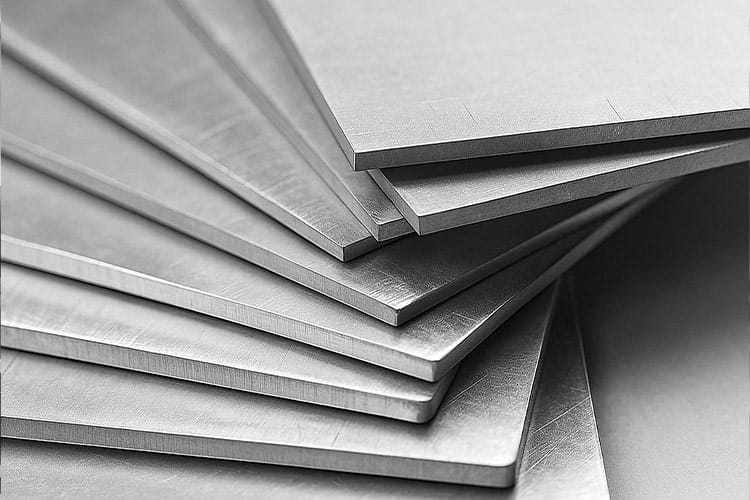
¿placa de titanio u otro material de partida?
La placa de titanio es versátil, pero no siempre es la mejor opción.
Un componente con un espesor sustancial o una forma en gran medida cilíndrica puede requerir un mecanizado excesivo si comienza como una placa rectangular.
En esa situación, una barra, un bloque, una forja o una pieza en bruto preparada a medida de titanio pueden proporcionar una mejor utilización del material.
| Material de partida | Mejor adecuado para | Beneficio principal |
|---|---|---|
| Placa de titanio | Componentes planos y estructurales | Dimensiones flexibles y corte en blanco eficiente |
| Barra de titanio | Partes redondas o cilíndricas | Menos eliminación de material para geometrías adecuadas |
| Bloque de titanio | Componentes gruesos de precisión | Adecuado para mecanizado CNC sustancial |
| Forja de titanio | Piezas complejas o de alta resistencia | Puede reducir el volumen de mecanizado |
| Blanco personalizado | Componentes repetidos o especializados | Se puede preparar más cerca de la geometría final |
El mejor material de partida debe seleccionarse basándose en el componente terminado en lugar de simplemente elegir la forma del material que sea más fácil de comprar.
Esto es particularmente importante cuando la pieza de titanio tiene una alta tasa de eliminación de material o se producirá repetidamente.
Aplicaciones de placas de titanio en la fabricación de precisión
La placa de titanio no sólo se utiliza para grandes equipos industriales.
También puede servir como material de partida para componentes de precisión relativamente pequeños.
Estas piezas pueden requerir:
- Tolerancias estrictas
- Ubicaciones de agujeros de precisión
- Características roscadas
- Acabados superficiales controlados
- Alta resistencia
- Resistencia a la corrosión
Para estas aplicaciones, la selección de materiales y el mecanizado están estrechamente relacionados.
El grado del titanio influye en las propiedades del material, mientras que la geometría determina cómo se debe cortar y mecanizar la placa.
Inicialmente, un cliente puede solicitar una placa de titanio, pero finalmente necesita una pieza terminada lista para el ensamblaje.
Aquí es donde se superponen el suministro de materiales y la fabricación de precisión.
Xinfeng Dingyuan admite tanto los requisitos de material de titanio como los basados en dibujos productos de titanio personalizados, permitiendo a los clientes evaluar el material de partida y la ruta de fabricación alrededor del componente terminado.
Placa de titanio en fabricación relacionada con la medicina
El titanio y las aleaciones de titanio también se utilizan en la fabricación relacionada con la medicina, particularmente cuando se necesitan propiedades específicas del material y requisitos de fabricación estrictos.
Para componentes médicos personalizados, se puede utilizar una placa de titanio como material de partida para piezas mecanizadas con precisión.
Sin embargo, un proyecto relacionado con la medicina no debe abordarse de la misma manera que un componente industrial general.
Los requisitos pueden incluir:
- Grados de materiales específicos
- Trazabilidad material
- Tolerancias de precisión
- Requisitos de superficie
- Documentație de inspecție
Dependiendo del componente y las especificaciones, se puede seleccionar titanio de grado 23.
Sin embargo, la calidad del material por sí sola no define el requisito de fabricación completo.
Para proyectos basados en dibujos, es importante aclarar la aplicación prevista y cualquier requisito técnico o de documentación relevante antes de la producción.
Esto ayuda a establecer si la placa de titanio es el material de partida adecuado y qué nivel de control de fabricación e inspección se requiere.
Para proyectos que involucran piezas médicas basadas en dibujos, los clientes también pueden explorar Xinfeng Dingyuan Componentes médicos de titanio capacidades.
¿qué información debe proporcionar al solicitar una placa de titanio para una pieza personalizada?
Una solicitud de placa de titanio se vuelve mucho más útil cuando el proveedor comprende la aplicación terminada.
Para un componente personalizado, proporcionar solo las dimensiones de la placa puede no brindar suficiente información para seleccionar la ruta de fabricación más eficiente.
Una consulta más completa puede incluir:
| Información | Por qué es útil |
|---|---|
| Dibujo de piezas terminadas | Define geometría y dimensiones |
| Grado titanio | Determina las propiedades del material |
| Cantidad requerida | Ayuda a planificar el método de producción |
| Tolerancias finales | Afecta al mecanizado y la inspección |
| Requisitos de superficie | Determina las operaciones de acabado |
| Aplicación | Ayuda a evaluar la idoneidad del material |
| Requisitos de certificación | Aclara las necesidades de documentación |
Si aún no se ha finalizado el grado de titanio o el material de partida, proporcionar los detalles de la aplicación puede ser más útil que seleccionar un material basándose únicamente en proyectos anteriores.
Un dibujo combinado con información sobre el entorno de trabajo puede proporcionar un punto de partida más sólido para la selección de materiales y la planificación de la fabricación.
Cómo Xinfeng Dingyuan respalda los proyectos de fabricación personalizada y de placas de titanio
La placa de titanio se puede suministrar como materia prima, pero para muchos clientes el requisito no termina ahí.
Es posible que sea necesario cortar, preparar y mecanizar la placa en un componente personalizado según un dibujo.
En Xinfeng Dingyuan, Placas de titanio, Productos de titanio personalizados y Componentes de aleación de titanio personalizados puede considerarse como parte del mismo proyecto.
Para piezas relativamente planas, la placa de titanio puede proporcionar el punto de partida más práctico.
Para componentes más gruesos o complejos, otra forma de material puede reducir el mecanizado innecesario y mejorar la utilización del material.
Revisar la pieza terminada antes de la producción facilita la selección de una ruta de fabricación adecuada.
El objetivo no es simplemente suministrar placas de titanio.
Es para ayudar a los clientes a comenzar con una forma material que tenga sentido para el componente que realmente necesitan.
Preguntas frecuentes
¿Cuáles son las principales aplicaciones de las placas de titanio?
La placa de titanio se utiliza en procesamiento químico, equipos marinos, maquinaria industrial, equipos de transferencia de calor, fabricación de precisión y producción personalizada de componentes de titanio.
¿se puede utilizar una placa de titanio para el mecanizado CNC?
Sí. La placa de titanio se utiliza comúnmente como material de partida para componentes mecanizados por CNC, particularmente piezas planas, componentes estructurales y piezas de precisión personalizadas.
¿la placa de titanio es adecuada para productos de titanio personalizados?
Sí. La placa de titanio se puede cortar en espacios en blanco y mecanizar en componentes personalizados basados en dibujos. La geometría terminada determina si la placa es el material de partida más eficiente.
¿Cómo elijo el espesor de placa de titanio adecuado?
El espesor inicial debe tener en cuenta las dimensiones de la pieza terminada, el margen de mecanizado, los requisitos de tolerancia y cualquier operación de acabado de la superficie.
¿La placa de titanio es siempre la mejor forma de material para una pieza personalizada?
No. Para componentes gruesos, redondos o complejos, la barra, el bloque, la forja o una pieza en bruto personalizada de titanio pueden proporcionar una mejor utilización del material y reducir el tiempo de mecanizado.
Pensamientos finales
La placa de titanio se utiliza para mucho más que el suministro de material estándar.
Para equipos químicos, sistemas marinos y aplicaciones industriales, puede proporcionar el material de partida para componentes resistentes a la corrosión y de alto rendimiento. En la fabricación de precisión, también puede convertirse en la base de piezas de titanio personalizadas producidas según dibujos y tolerancias específicos.
La clave es seleccionar la placa según la aplicación terminada.
Para un componente plano o similar a una placa, la placa de titanio puede ser el material de partida más eficiente. Para un diseño más grueso o complejo, otra forma de titanio puede ofrecer una mejor ruta de fabricación.
Si está buscando placas de titanio para un proyecto basado en dibujos, Xinfeng Dingyuan puede revisar los requisitos de material junto con el diseño del componente terminado.
De Placas de titanio a Productos de titanio personalizados y Componentes de aleación de titanio personalizados, el enfoque de fabricación se puede planificar en función de lo que realmente necesita la pieza terminada.